


Short-term energy yield forecasts & system diagnostics for PV and wind using neighbouring system data
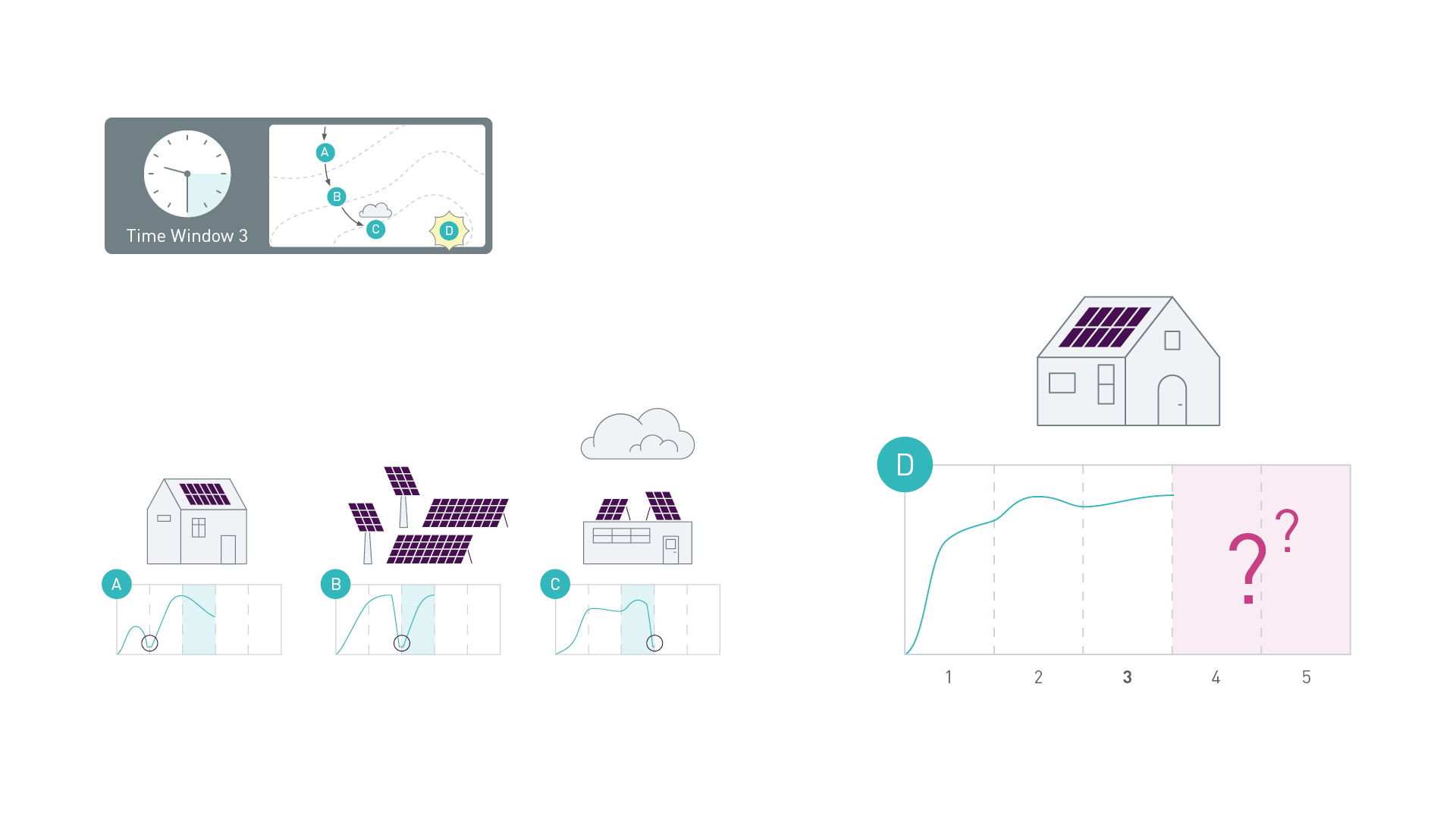
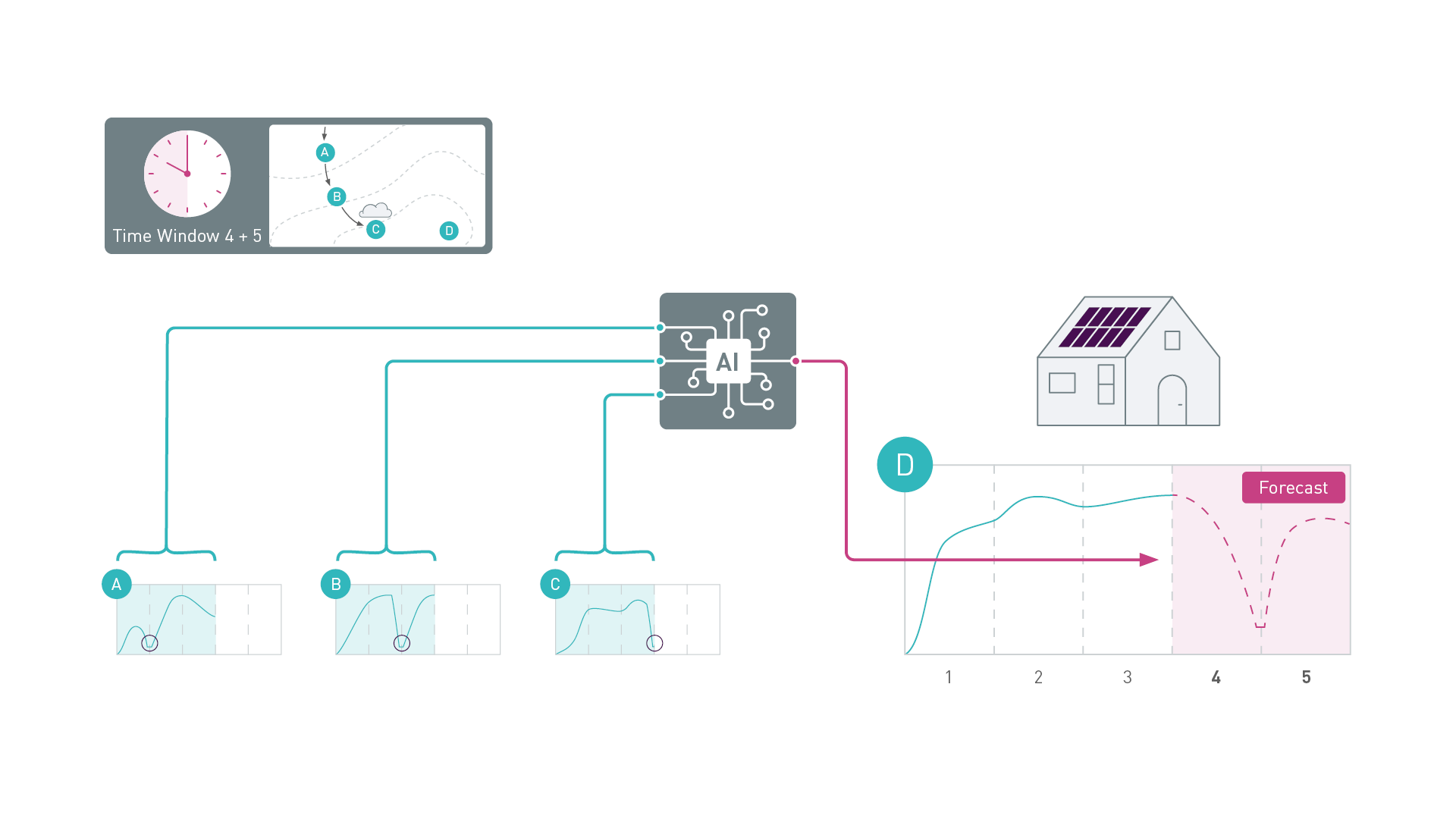
The tool forecasts the short-term energy yield of photovoltaic systems or wind turbines and simultaneously detects performance deviations in order to diagnose potential errors or malfunctions at an early stage. It is based on the neighbourhood method, an approach that provides accurate and probabilistic predictions for a specific location. The method uses machine learning models that are fed with performance data from geographically neighbouring PV and wind power plants. From this historical and current data, the model recognizes typical generation patterns and derives reliable forecasts.
Short-term energy forecasts
Through intelligent evaluation of neighbouring system data, the tool provides accurate, probabilistic predictions of energy generation. If the plants are well distributed across the region, the method can provide reliable estimates of energy generation for about the next ten hours.
Error diagnosis & maintenance optimisation for PV and wind turbines
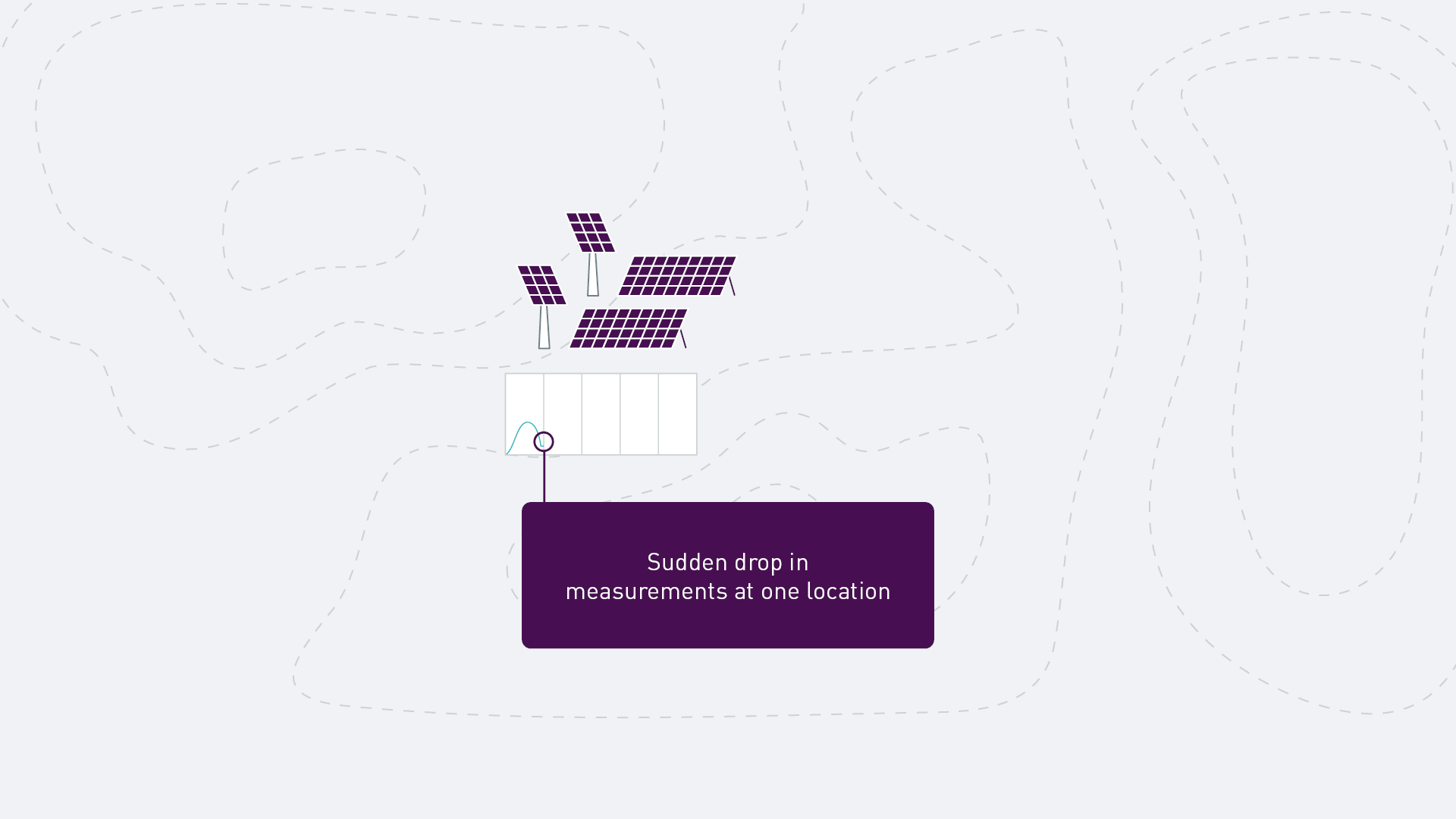
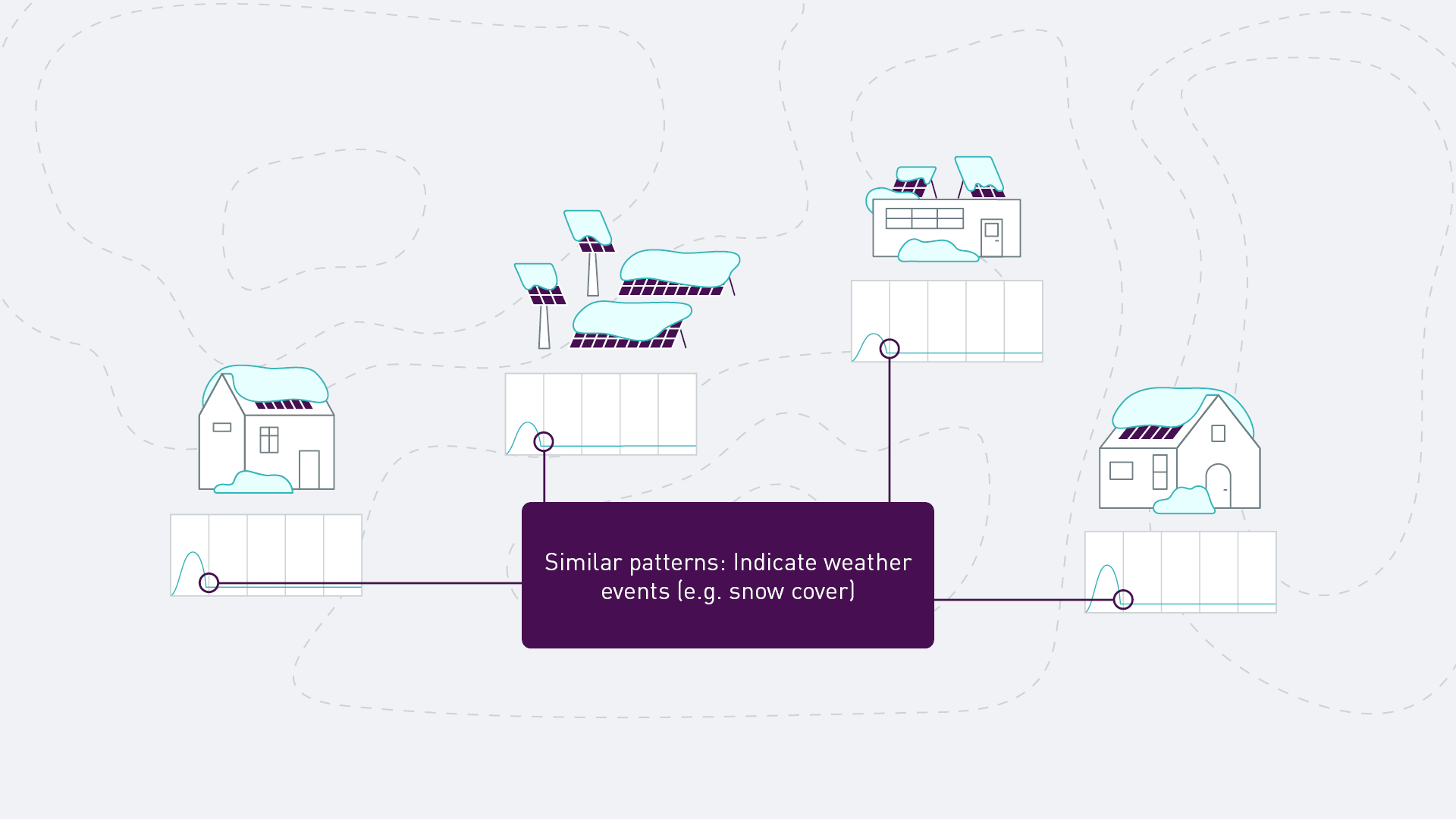
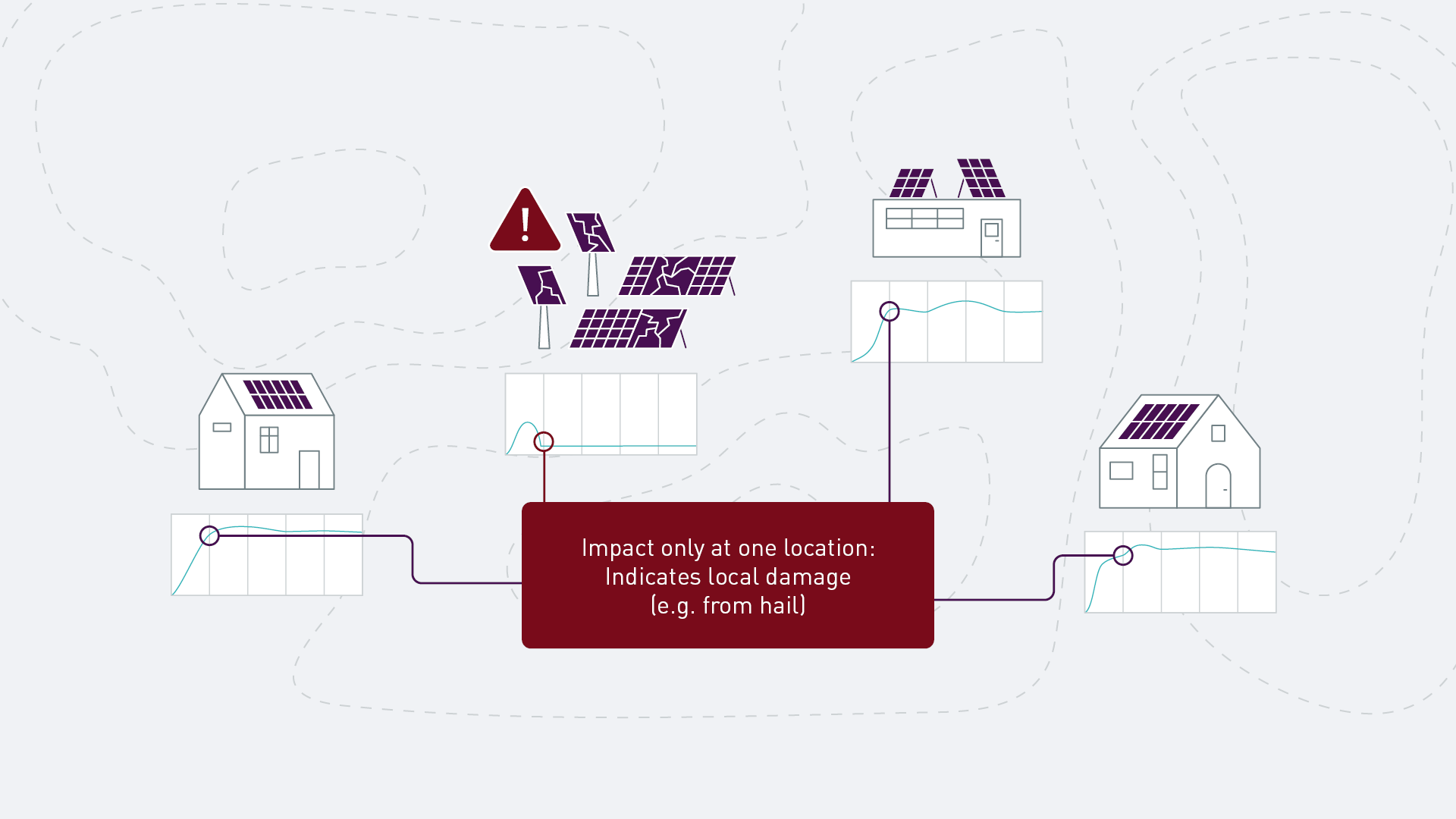
In addition to forecasting, the tool enables fast and reliable diagnosis of plant performance. By comparing the target plant with the generation patterns of neighbouring systems, it immediately detects whether performance losses are caused by temporary weather effects, such as snow cover on PV systems, or whether there is a technical problem. This allows errors to be detected at an early stage and downtime to be minimised.


Optimised consumption forecasts and plant monitoring for providers of energy management software and app solutions
The tool provides high-resolution short-term forecasts for PV generation and enables transparent, continuous monitoring of photovoltaic systems. Software providers and app operators can integrate these functions to offer their users optimised self-consumption planning, intelligent load control and efficient use of storage systems and flexible consumers.
The automatic diagnostic function precisely identifies and classifies the causes of reduced PV generation, such as weather-related influences or potential technical defects. This enables providers of energy management software and app solutions to offer their customers transparent information and targeted recommendations for action.

For energy communities, the tool provides a precise basis for coordinating joint generation and consumption profiles. Aggregated, probabilistic forecasts facilitate coordination between members, improve internal energy distribution and support fair and efficient billing. At the same time, the diagnostic function helps to identify performance deviations in individual systems at an early stage, so that the entire community benefits from greater stability and fewer outages.
Optimised operational management for plant operators through AI forecasts and intelligent diagnostics
Plant operators benefit from accurate, probabilistic short-term forecasts that enable informed marketing of energy and flexibility. The models not only provide the most probable generation value, but also the entire probability distribution of possible scenarios – including an assessment of the forecast reliability. This allows risks to be better managed and decisions to be made more efficiently.
At the same time, the integrated diagnostic system supports targeted and cost-optimised maintenance planning. It automatically detects whether performance losses are weather-related or actual plant damage. This allows operators to plan maintenance work according to demand, avoid unnecessary costs and increase the availability of their plants.
With the growing share of volatile, renewable and decentralised generators, particularly from PV, wind and hydro power, the planning of dispatch, reserves and congestion management in distribution and transmission grids is becoming increasingly challenging. Precise, probabilistic generation forecasts, which can be aggregated regionally or related to individual substation areas, provide grid operators with a reliable basis for better estimating local feed-in developments in the coming hours. The algorithms capture short-term feed-in fluctuations and enable forward-looking, stable and economical control of grid operation – especially in regions with a high share of renewable energies.