

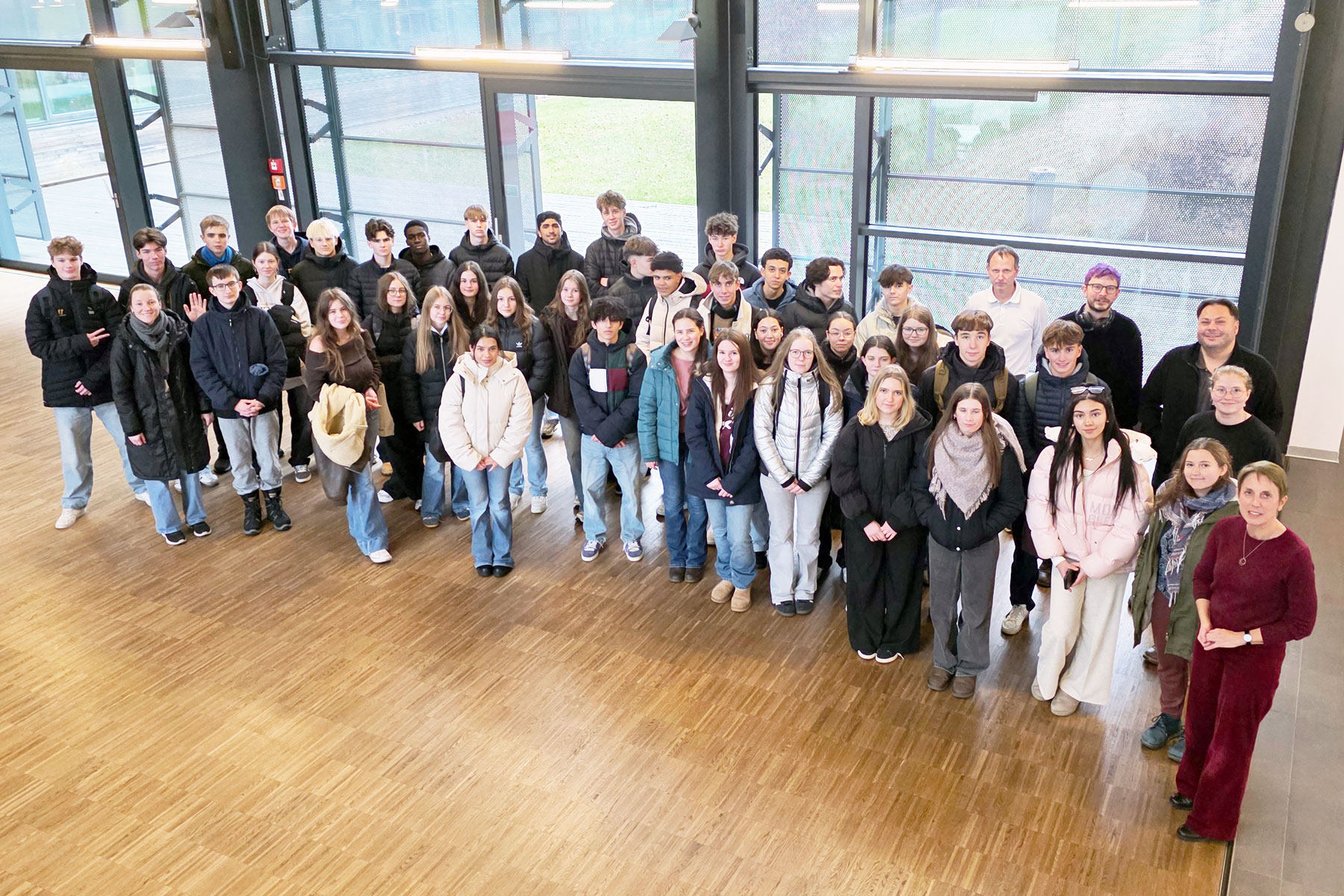
How can classroom learning become a realistic insight into modern plant research – and why is this relevant for agriculture? In the 2025/26 school year, AIT is cooperating for the first time with the MINTality Foundation and BG/BRG Tulln in the “Unternehmensschuljahr” format. Two classes of 15- to 16-year-old students are taking part; a key component is a multi-part, practice-oriented learning pathway focusing on plants, microbiomes and current challenges in food production.
MINT education often faces a structural problem: many topics, from microorganisms to plant stress, are in principle tangible for young people, but remain abstract without laboratories, methods and real-life applications. At the same time, the requirements for resilient agriculture are growing: plants are affected by environmental stress, diseases and production conditions, and research is increasingly called upon to develop solutions along the entire chain, from seed to plate.
A year-round hands-on project, lab visit and “science you can touch”
The “Unternehmensschuljahr” is designed as a longer-term cooperation between a company and a school: not as a one-off event, but as a learning partnership that links classroom content with practice and aims to make MINT (mathematics, computer science, natural sciences, technology) equally accessible to all students. School influencers accompany the project in the media and report on content, impressions and interim results via school channels.
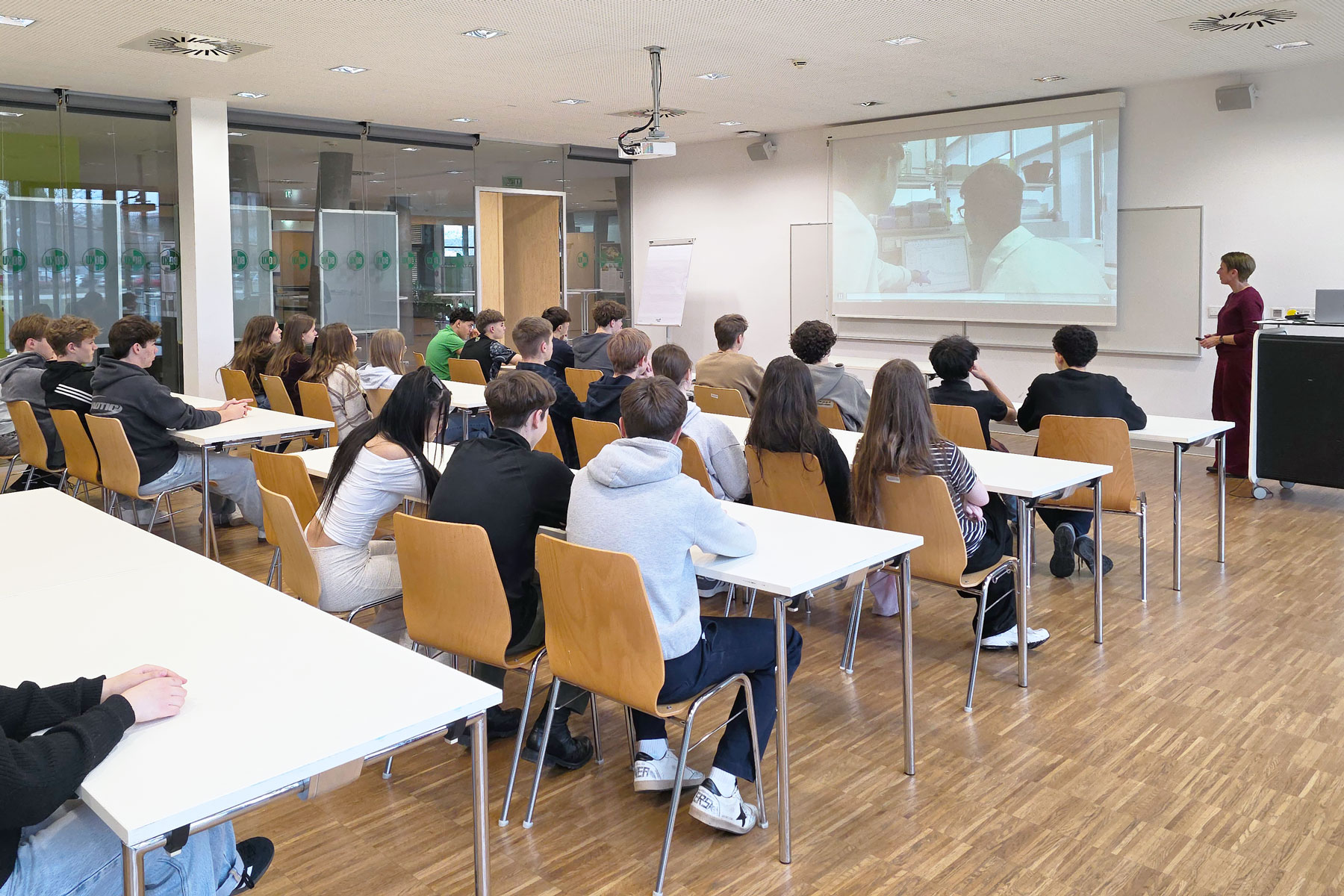
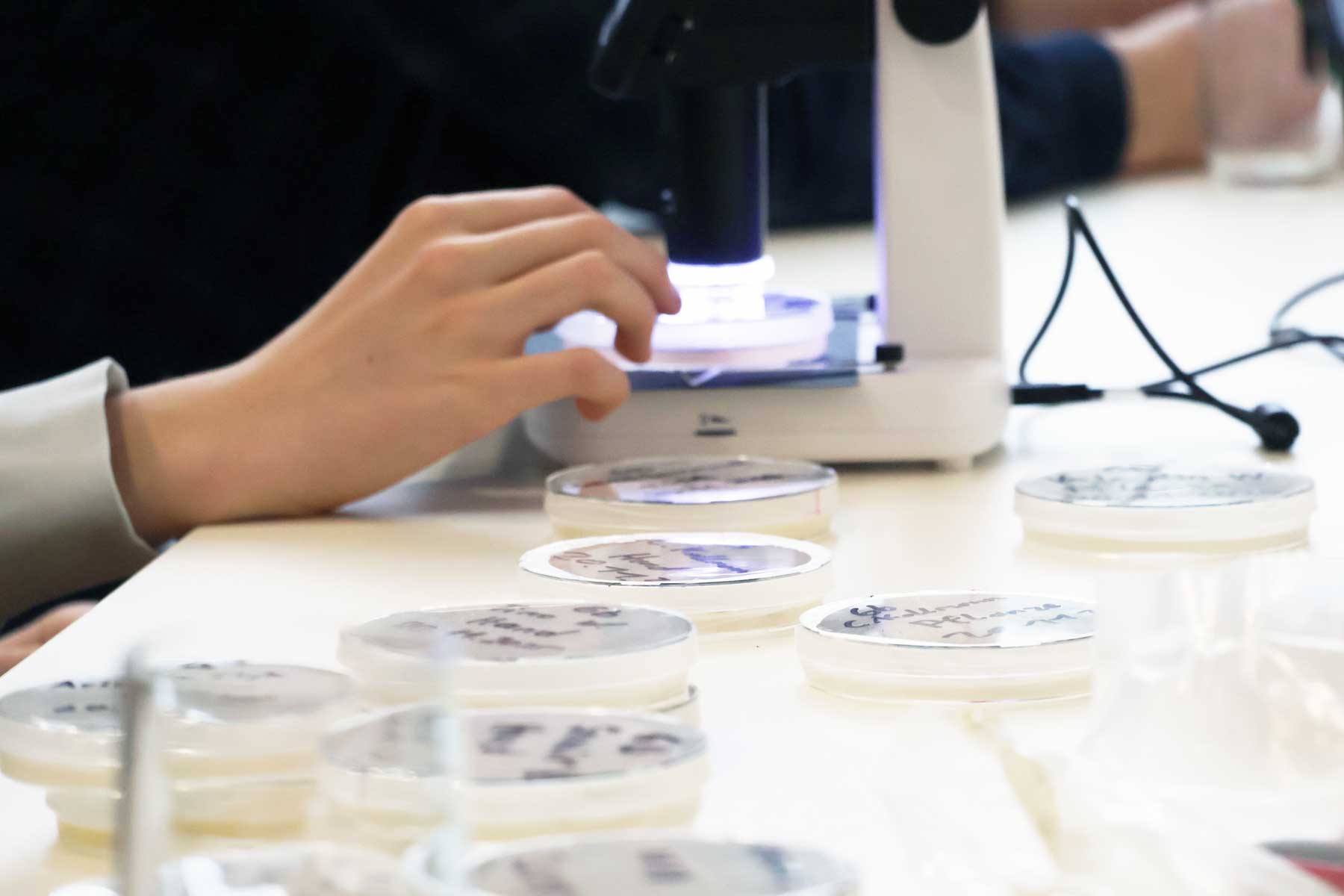
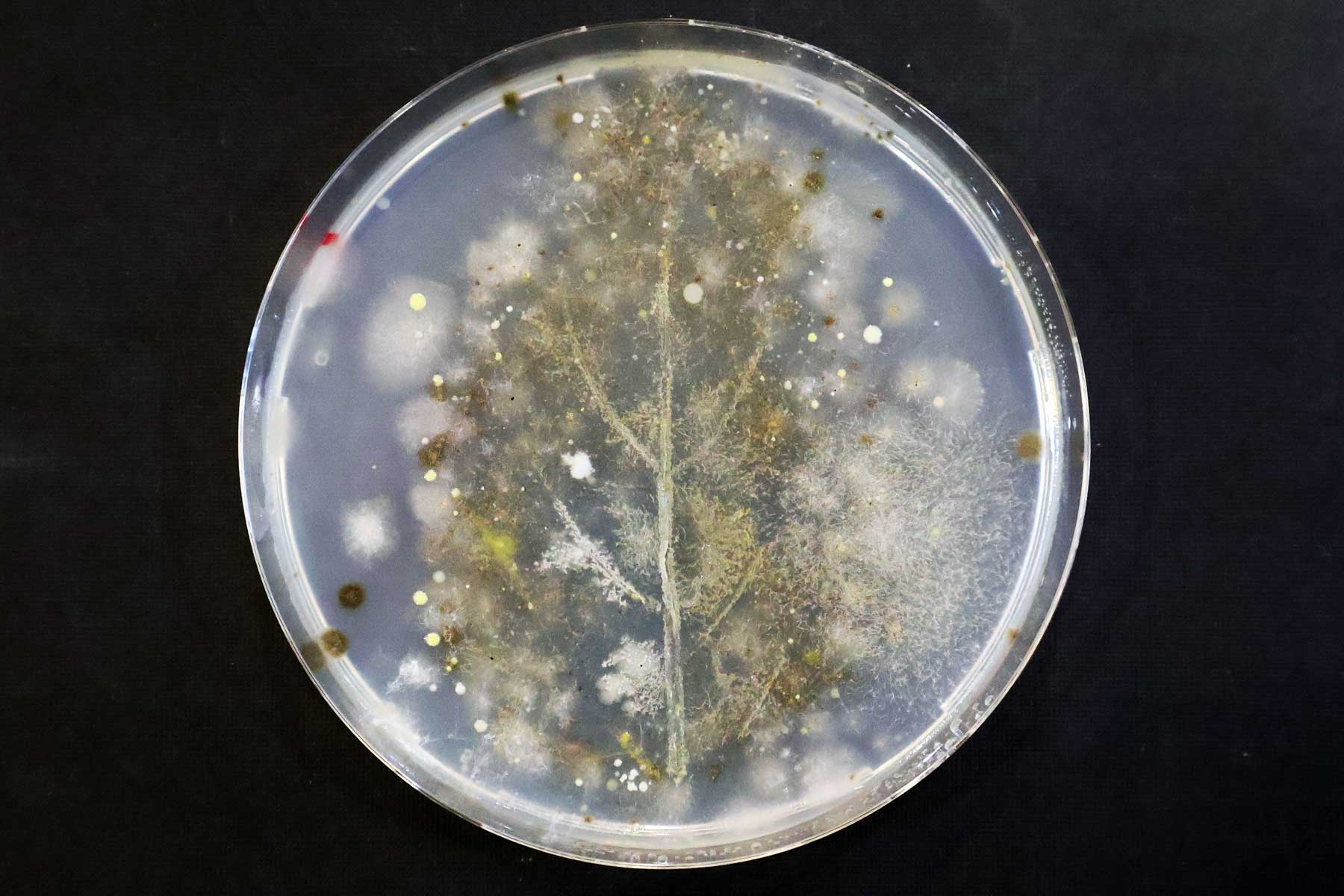
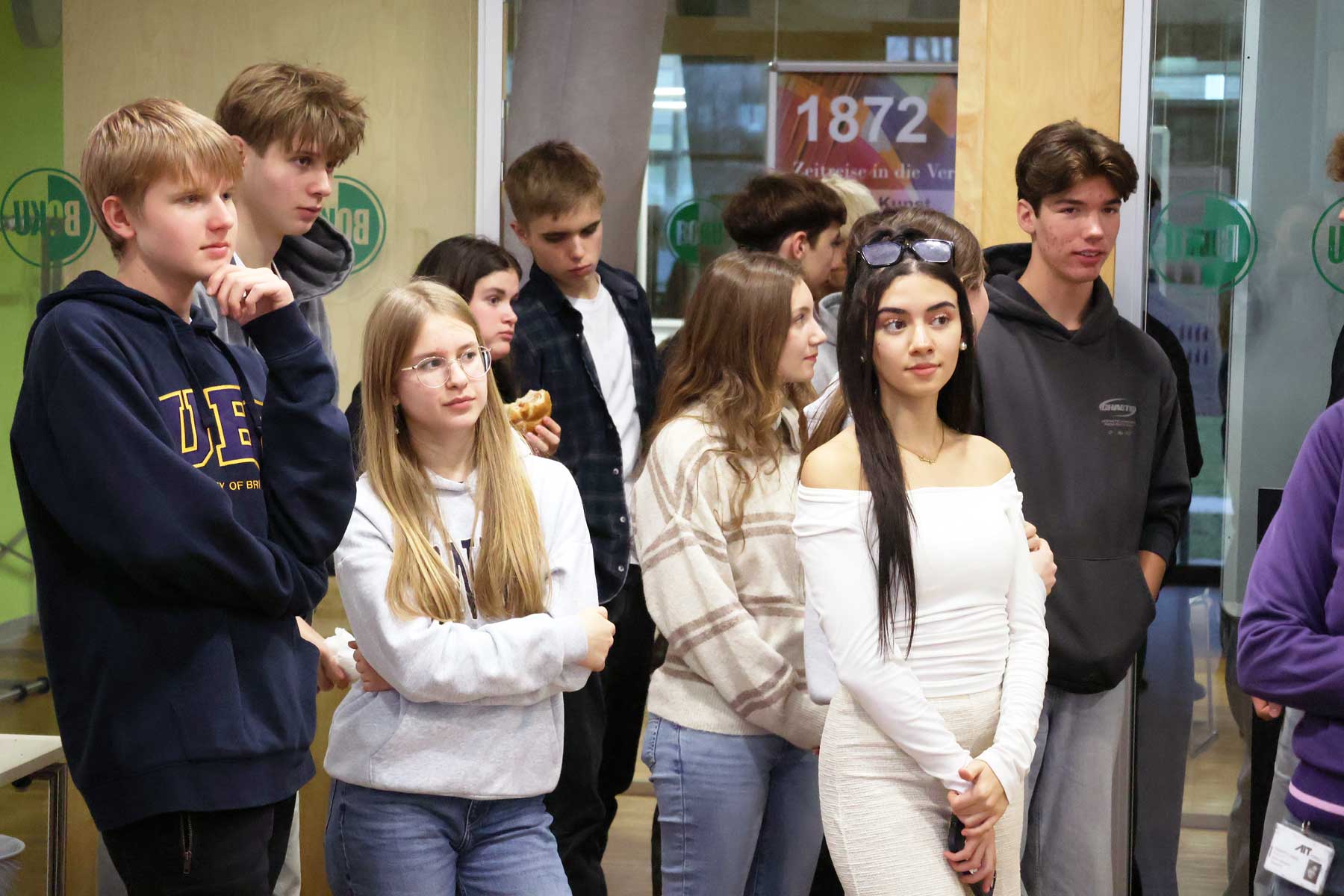
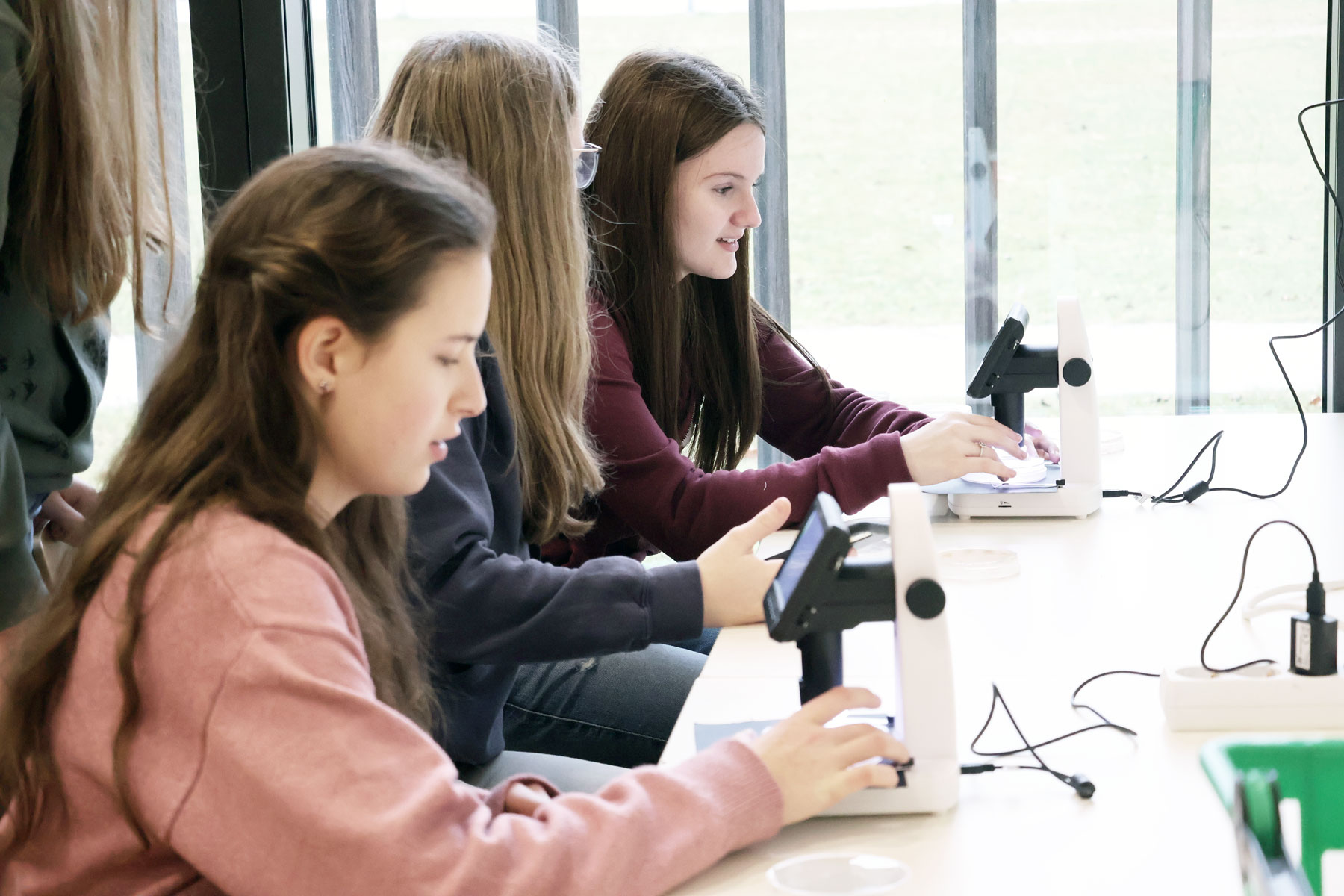
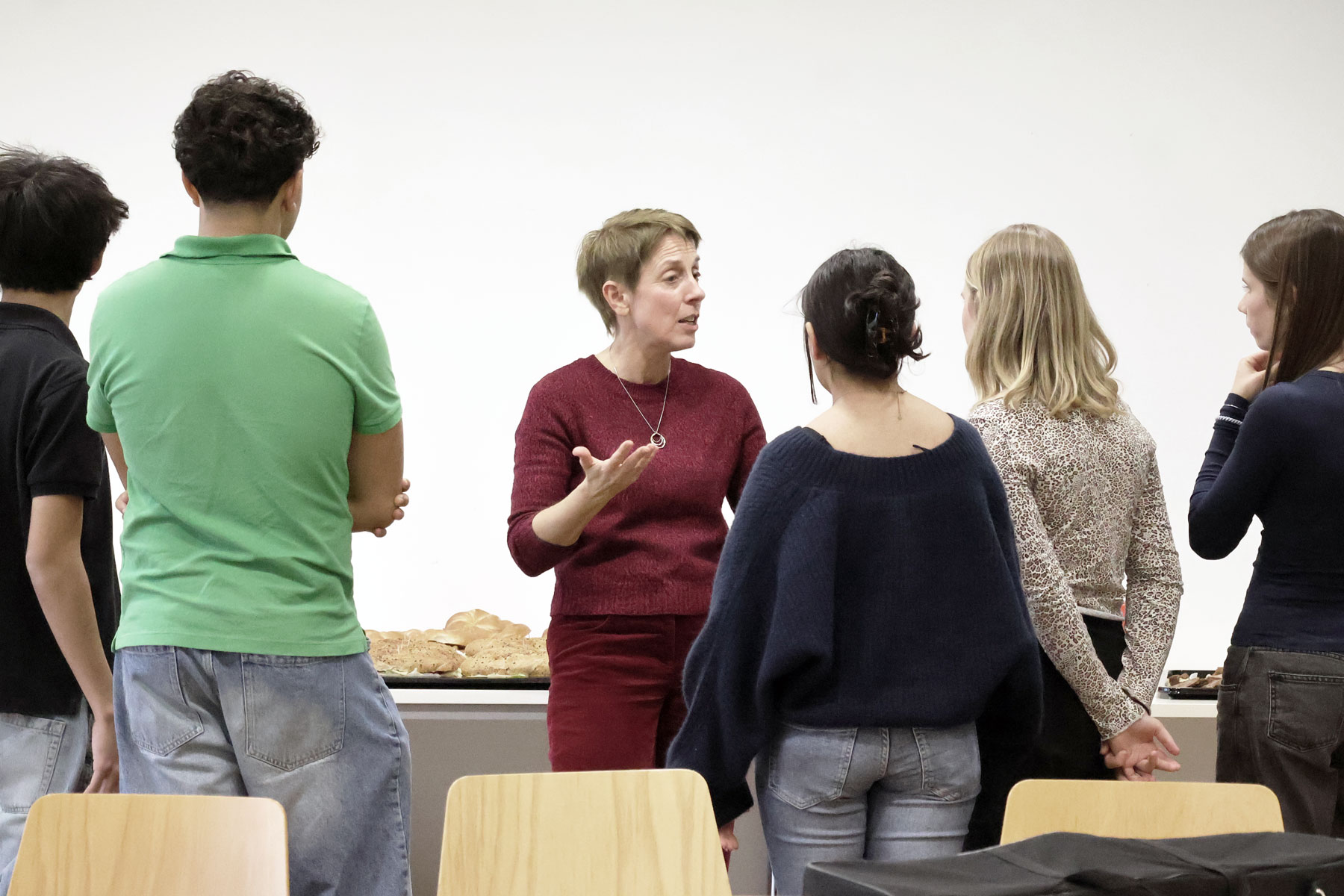
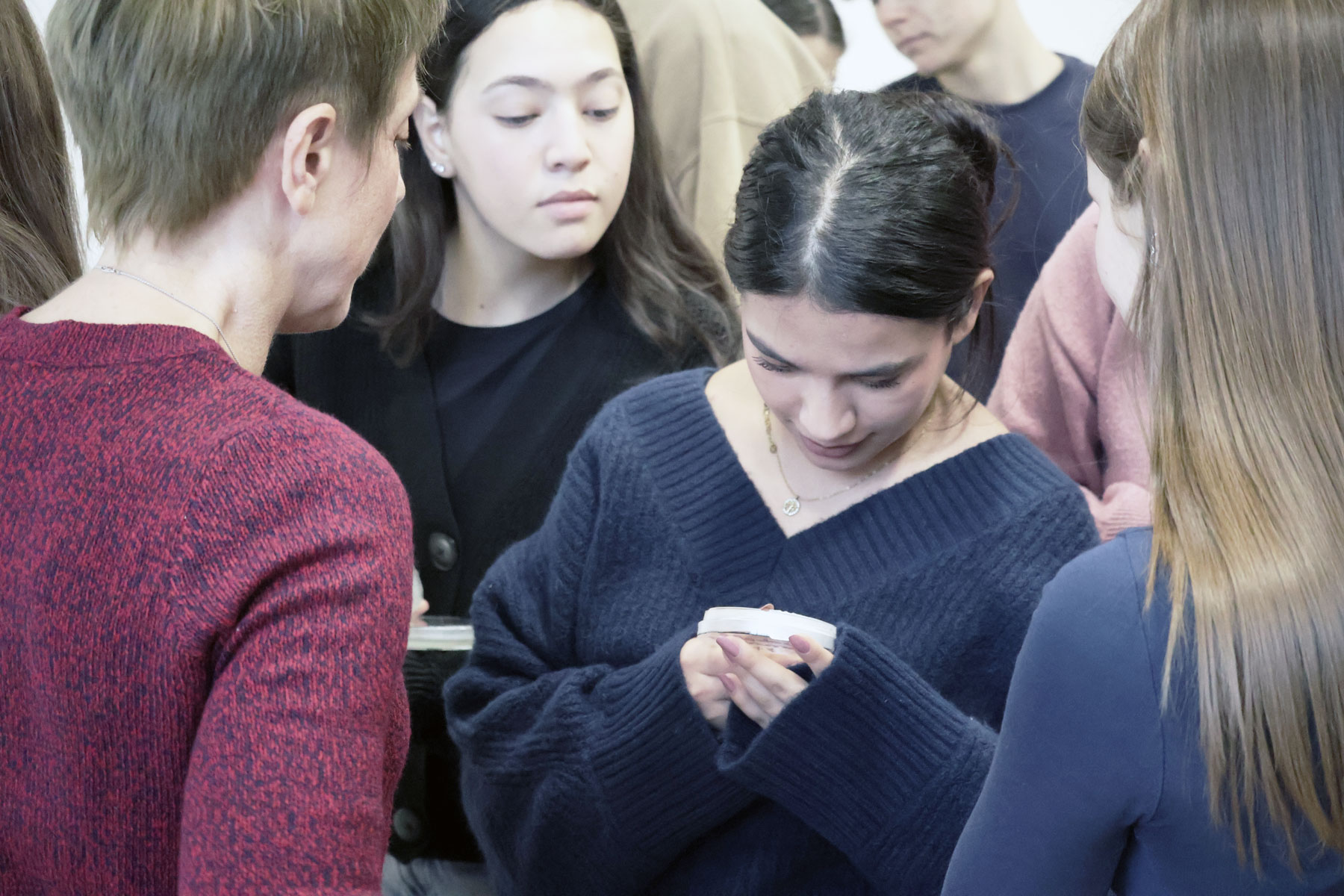
At AIT, Claudia Jonak, Principal Scientist at the AIT Competence Unit Bioresources of the Center for Health and Bioresources, is designing the first part of the project as a hands-on format and supporting the classes throughout the entire school year. The project kicked off with a school visit on 19 November: Jonak presented AIT and the work at the Center for Health and Bioresources and provided insights into selected research projects, including UNTWIST and RISE-SOY. In a practical exercise, the students made imprints of plants and their fingers on nutrient agar plates – a low-threshold approach to making bacteria and fungi visible as part of microbiomes.
Experiencing science on site
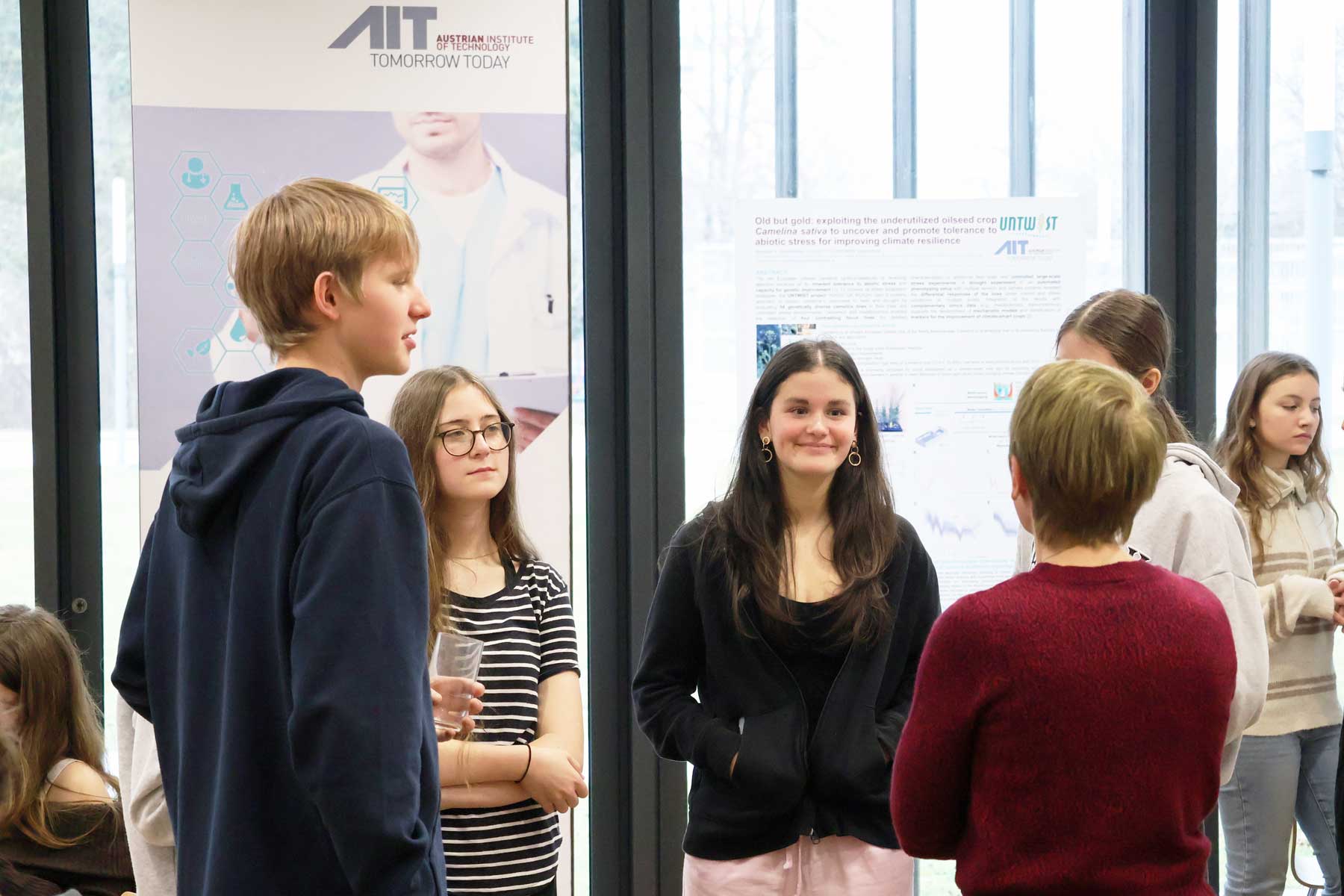
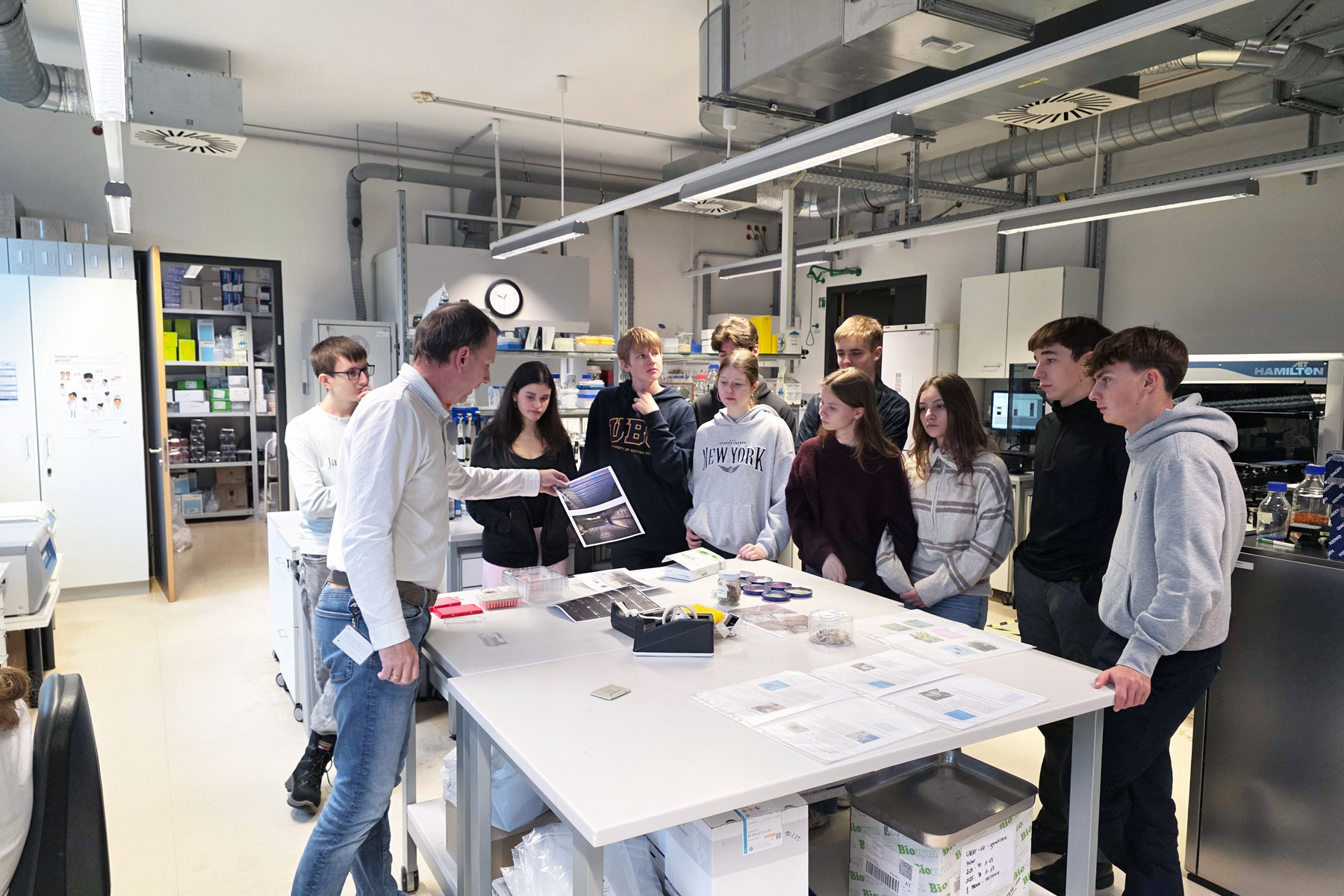
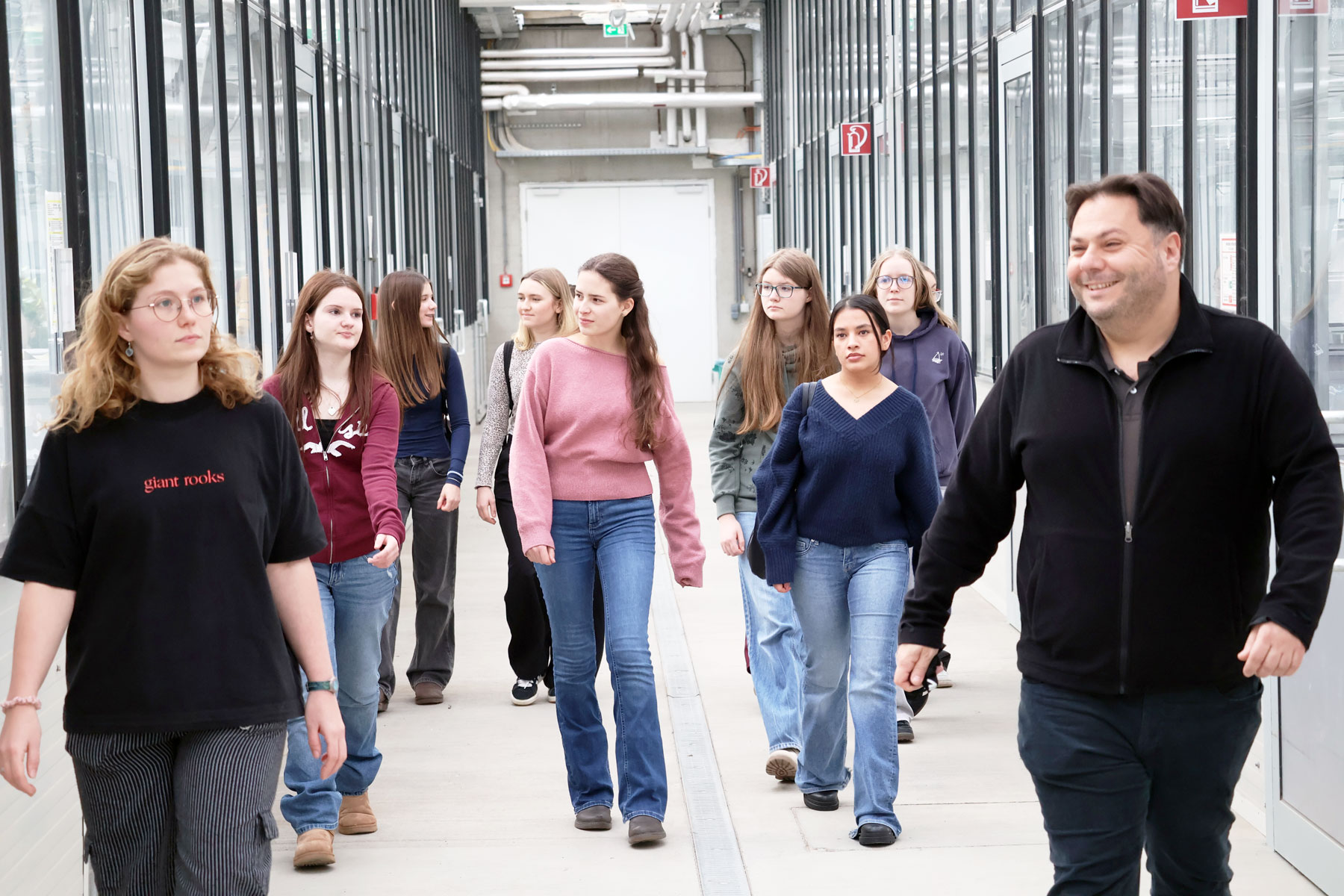
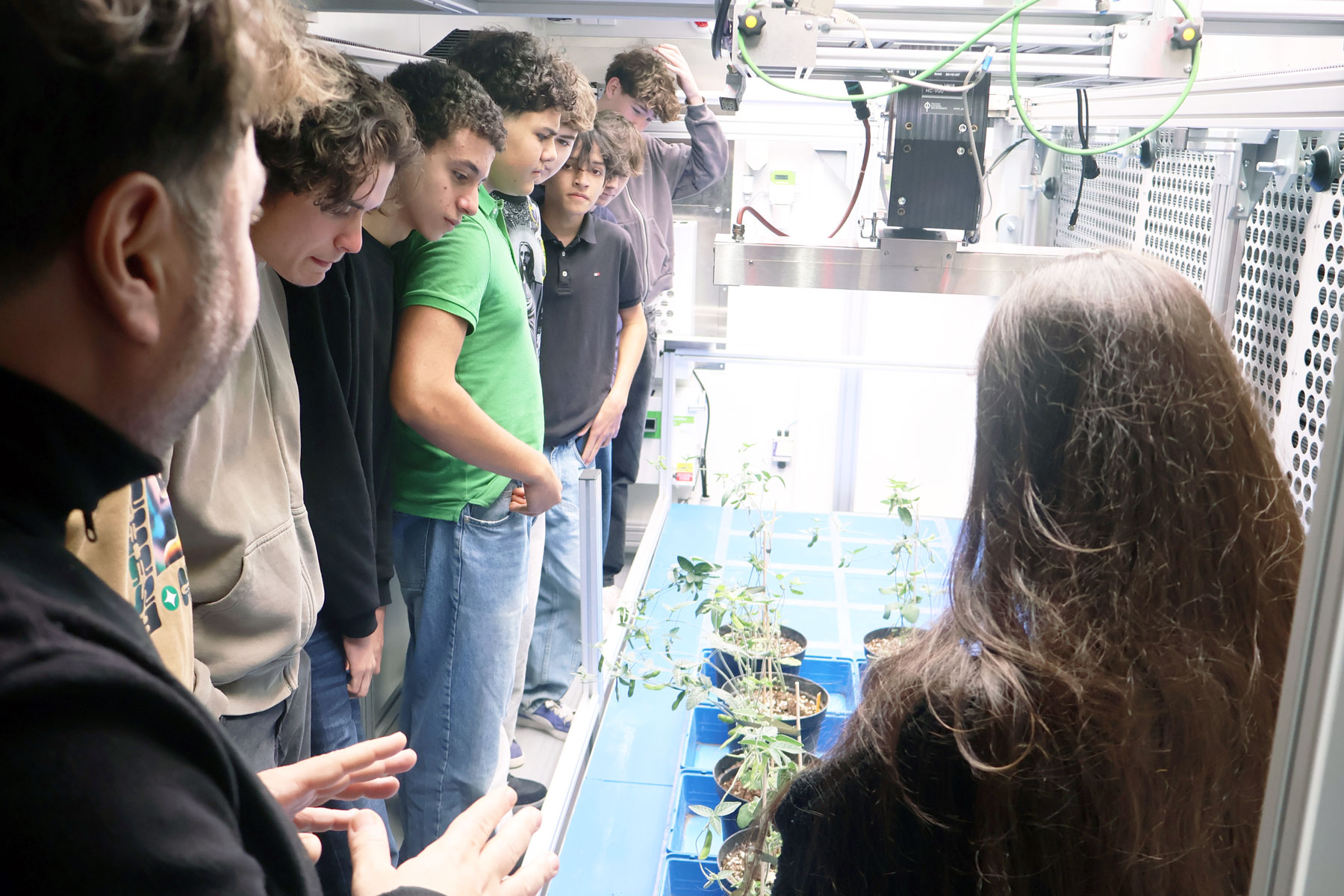
In addition, the students visited the AIT site in Tulln on 3 December. On site, they were given insights into laboratories, methods and everyday work, and were able, among other things, to examine their own plates with the imprints from the school visit. The phenotyping chambers were also demonstrated, in which automated camera-based technology is used to measure and compare plant growth and stress responses under controlled conditions. The visit linked the observations from the hands-on part with the question of what problems arise “in the field” today and how research results can be transferred towards application. “As a research institution, it is important to us to give the next generation a realistic access to such topics at an early stage – and not only to convey knowledge, but also to raise awareness of the challenges that modern food production and dealing with plants under stress conditions entail. When students do not only know microbiomes and plant research from textbooks, but experience them as concrete questions, interest arises – and ideally also the motivation to contribute to solutions themselves later on,” says Claudia Jonak.
Presentation of the overall project on 3 June 2026
Further school visits as well as the support of a multi-week practical project by the students are planned over the course of the school year. The focus will be on the four topics of plants, environmental stress, microorganisms and nutrition. Scientific fundamentals will be linked with current questions of production and supply.
The project is designed for all students in the two participating classes, and the results are to be presented at the school site on 3 June 2026. BG/BRG Tulln brings proven MINT experience: the school has once again been awarded the MINT Seal of Quality 2023–2026.
From a science communication perspective, the project is also a reference initiative for how well complex topics – such as microbiome functions, plant stress and the transfer of research into application – can be prepared in such a way that they remain technically precise in the school context while also being understandable and tangible for young people.