The production of aluminium is highly resource- and energy-intensive. Consequently, recycling this lightweight metal – which is ubiquitous in engineering – is even more important than in other sectors. Recycling aluminium from existing end-of-life (EoL) and production waste requires only five per cent of the energy needed to produce primary material. However, the problem is that the metal is alloyed with a variety of other elements that cannot practically be separated from one another. The current practice of mixing different EoL alloys inevitably leads to downcycling and a reduction in the available raw materials.
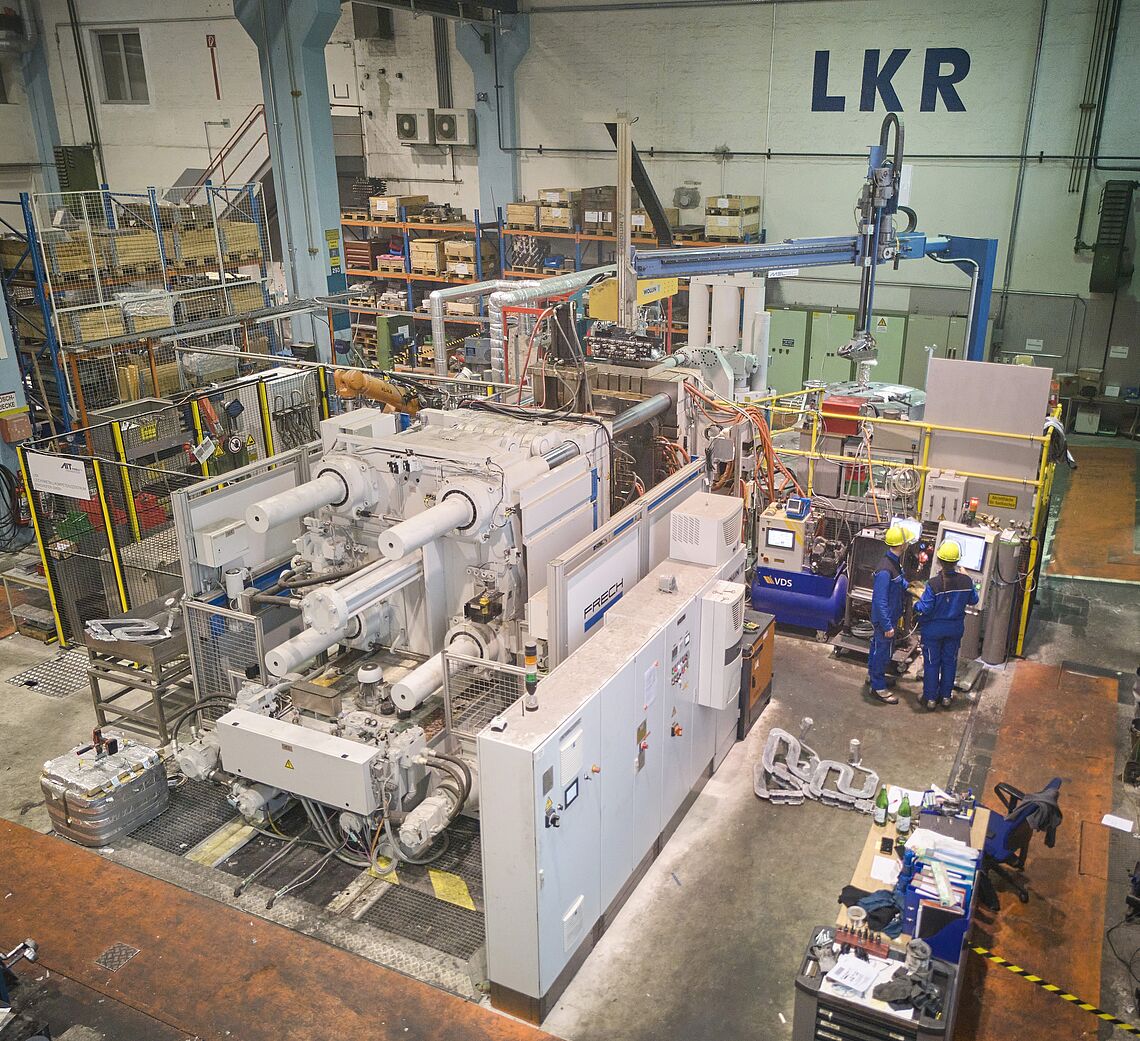
In the European research project RecAL (Recycling technologies for circular ALuminium), led by the AIT subsidiary LKR Leichtmetallkompetenzzentrum Ranshofen – in collaboration with 19 partner organisations from nine European countries – a novel approach is being pursued which aims to transform the European aluminium industry towards a circular economy through innovative recycling technologies, digital networking and new alloying strategies. Every step of the production and reuse cycle along the entire value chain is being strategically examined.
A key focus of RecAL is on solutions that enable greater tolerance for recycled material in alloy design whilst preserving material properties. Digitally controlled sorting processes are also being developed. This approach is complemented by the establishment of a digital ‘RecAL Hub’, a platform that intelligently links recycled material streams, innovative recycling technologies, and producers and consumers – a crucial step towards transforming the linear material flow into a closed-loop system. Alongside materials research, the focus is on robotics, sensor technology and digital twins to manage aluminium flows transparently and efficiently throughout their entire life cycle. This aims to create recycled material streams with significantly improved purity.

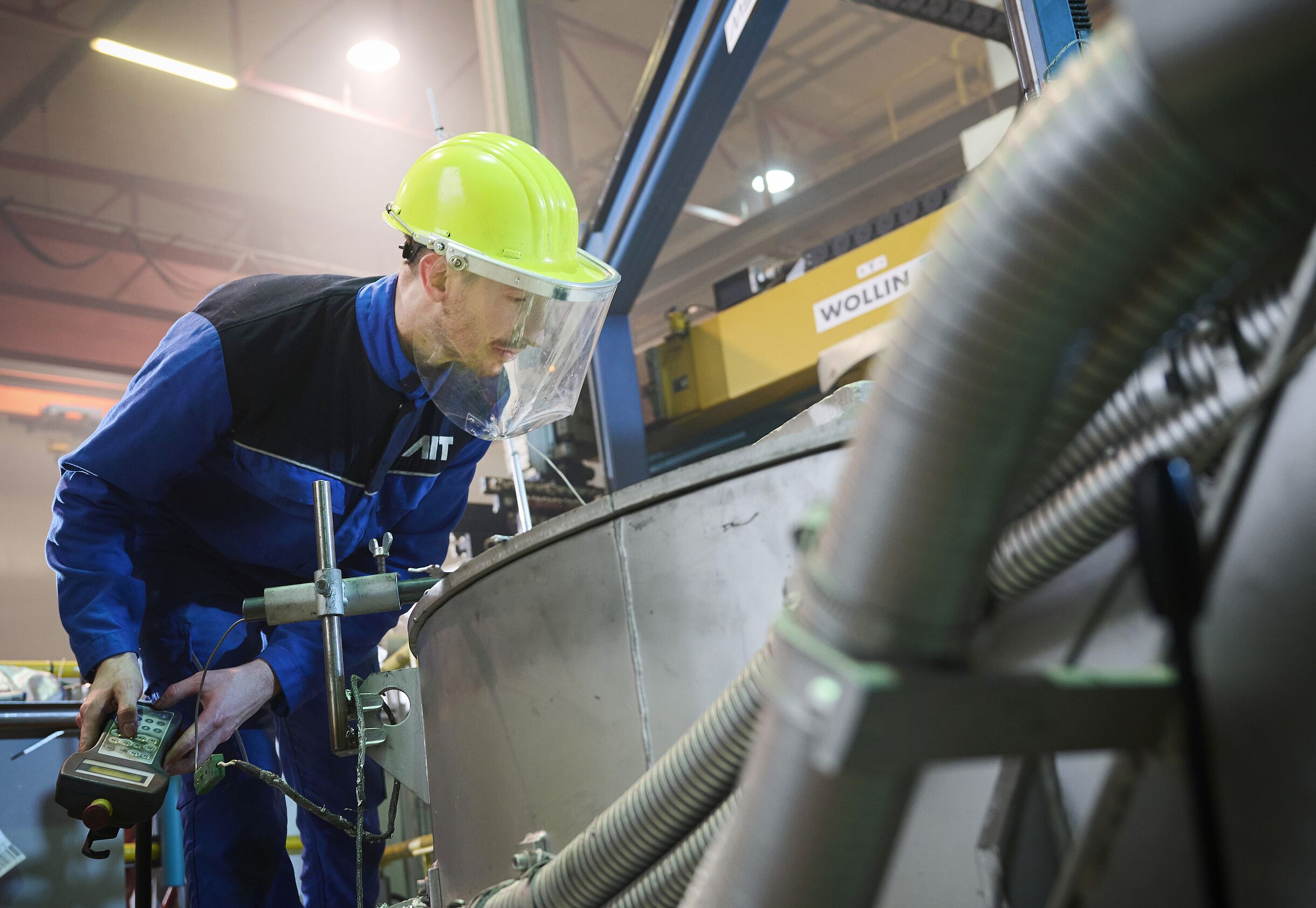
Researchers at the LKR are working in the laboratories on new material compositions and processing methods.