Trams play a key role in sustainable urban mobility. At the same time, due to their specific driving characteristics – long braking distances, inability to swerve – they face particular challenges in complex traffic situations. Despite the high level of experience among drivers, accidents occur time and again. Against this backdrop, there arose a need to develop driver assistance systems specifically for tram operations.
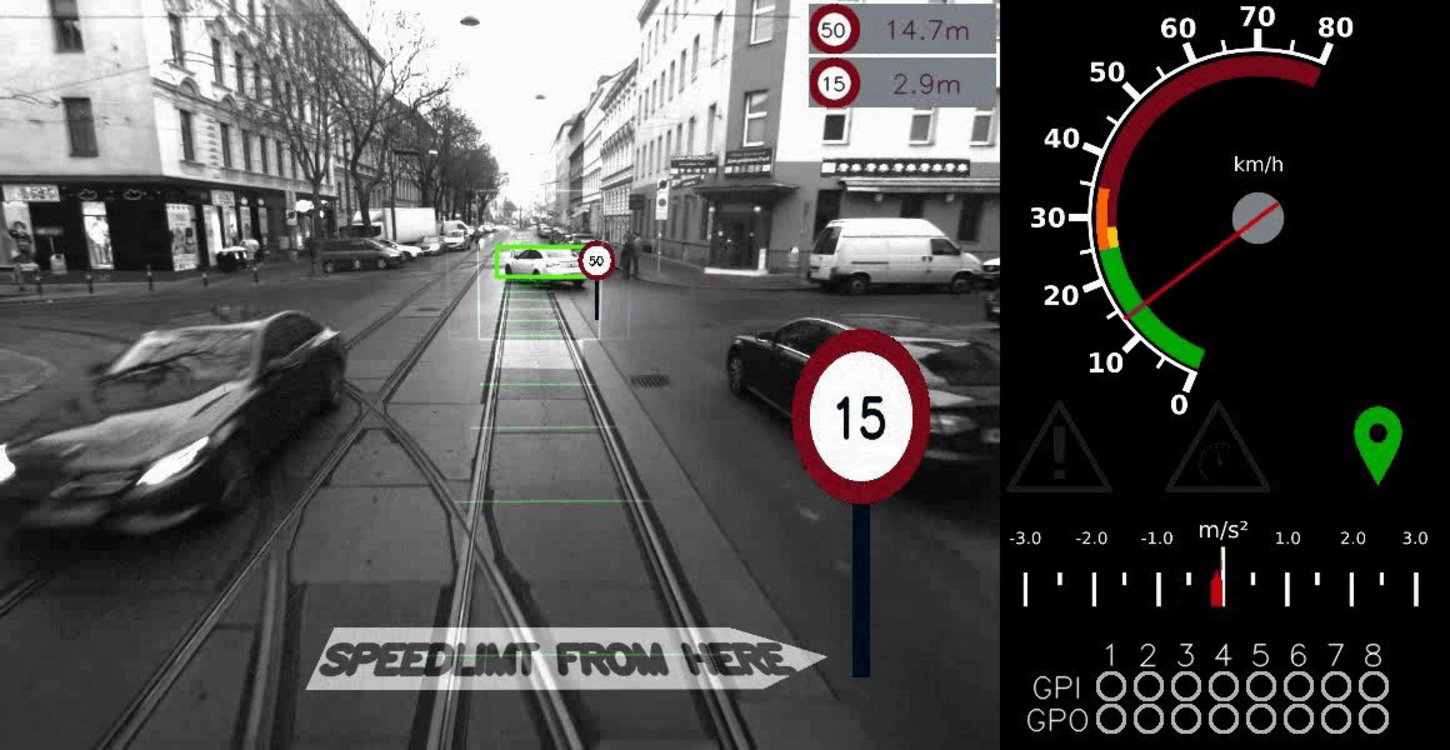
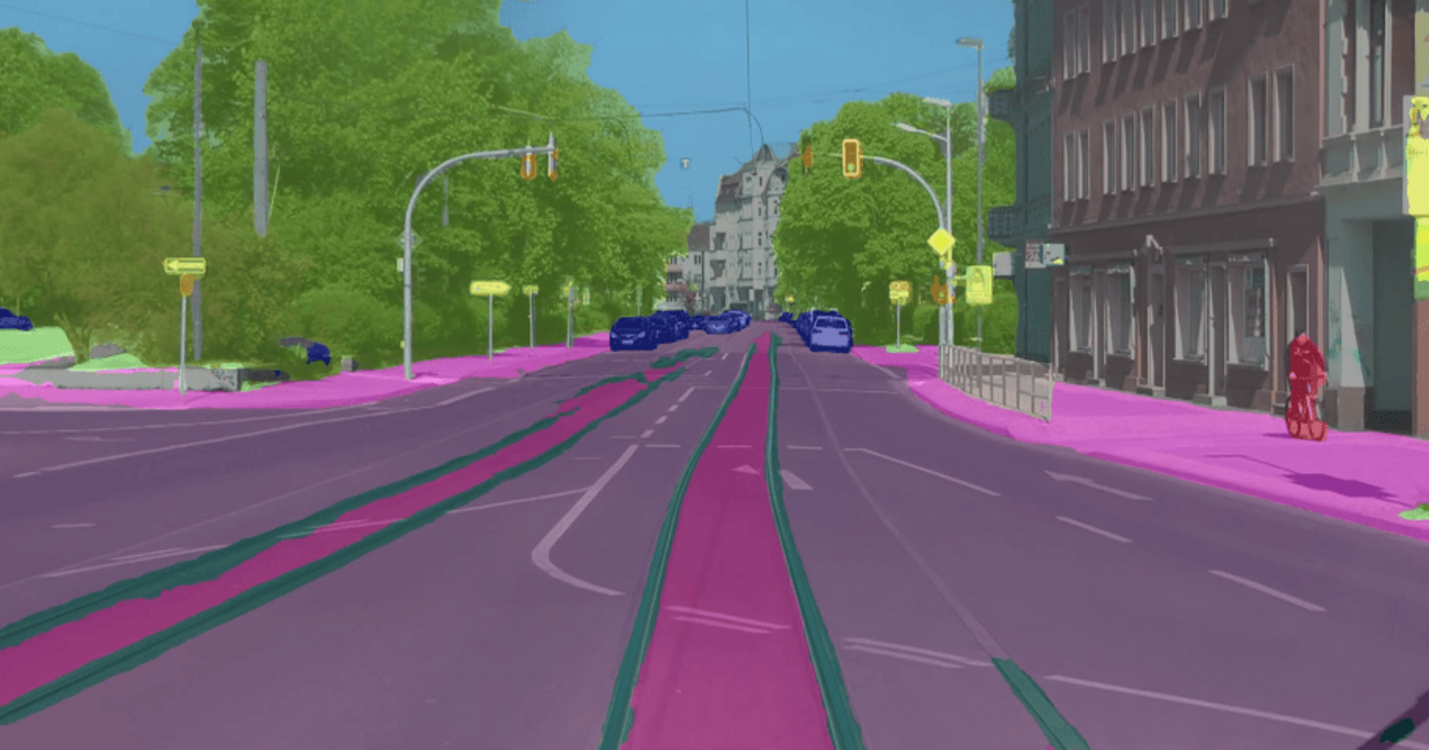
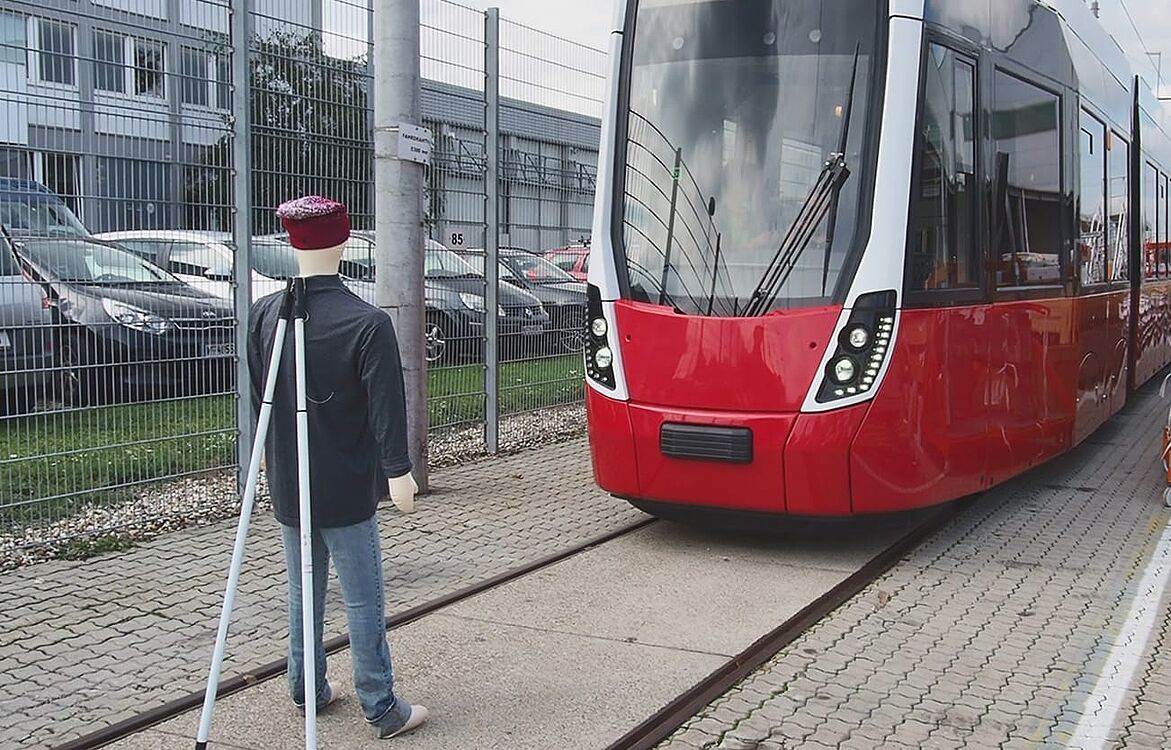
Based on AIT’s 3D real-time stereo vision technology, ‘ODAS’ – the world’s first driver assistance system for collision avoidance in trams – was developed in collaboration with Bombardier (now Alstom) and Mission Embedded, and was first put into series operation across an entire fleet of vehicles in Frankfurt. The system detects obstacles, assesses the risk of collision in real time and warns drivers of potential hazards. A subsequent development led to ‘COMPAS’, which, in addition to obstacle detection, also integrates speed control (overspeed prevention) as an additional assistance function.
The technology is now in use in numerous cities worldwide, including Frankfurt, Zurich, Blackpool, Duisburg, Dresden, Melbourne, Brussels and Essen. Many new Alstom trams are equipped with the system, meaning the assistance system is increasingly establishing itself as standard technology. The high demand from operators for such systems is evidence of their positive impact on reducing collisions and property damage. In addition to the safety benefits, the technology also has economic implications. The developments, financed by the vehicle manufacturer, have enabled long-term value creation – through securing the local presence and creating jobs in Vienna, particularly at Alstom and Mission Embedded.

Due to their specific driving behaviour – long braking distances, inability to swerve – trams face particular challenges in complex traffic situations.