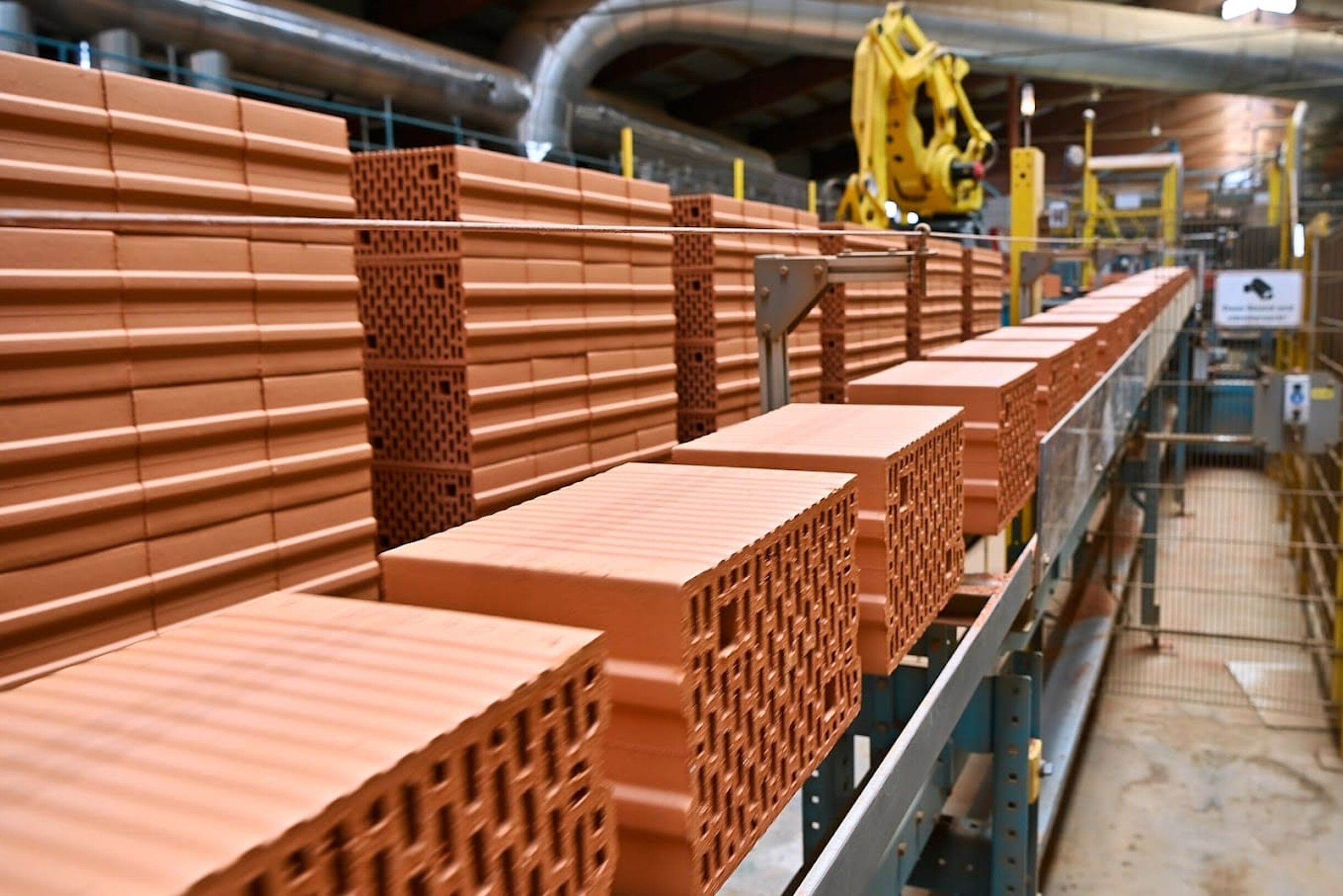
The brick industry faces the challenge of drastically reducing its high CO₂ emissions in order to meet increasing environmental requirements and remain competitive in the long term. Gas-fired high-temperature kilns are particularly energy-intensive and, due to the production processes, also cause high CO₂ emissions. In view of stricter climate targets and rising energy costs, pressure is mounting on the industry to develop sustainable alternatives.
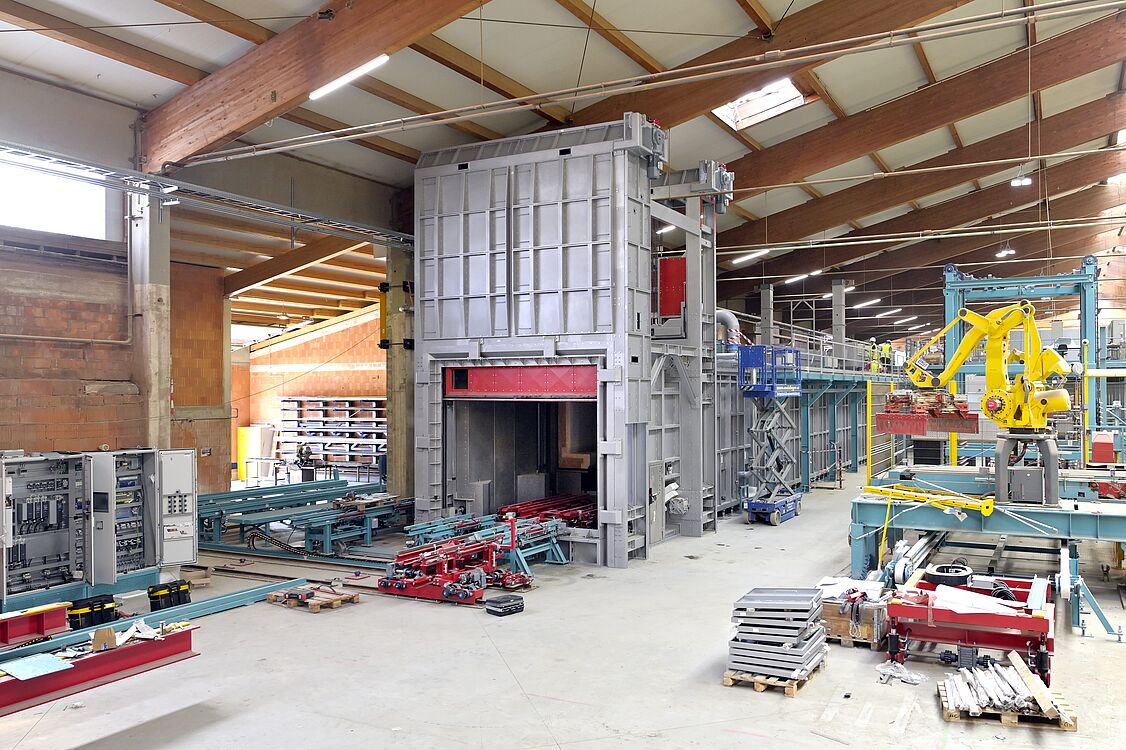
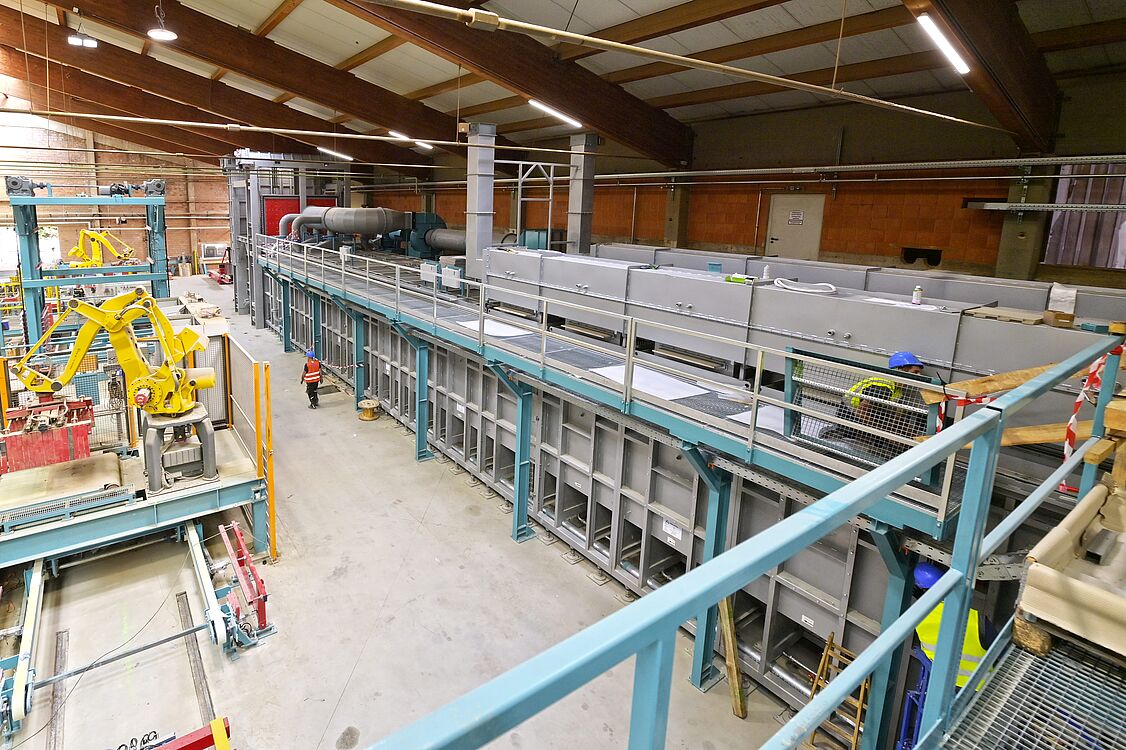
The GreenBricks project, funded by the Climate and Energy Fund as part of the NEFI innovation network, has implemented a concept for virtually CO₂-neutral brick production for the first time. At the heart of the innovation is the electrification of the production process using the world’s largest tunnel kiln powered exclusively by green electricity. This is complemented by the use of CO₂-neutral clay mixtures and optimised waste heat utilisation with heat pumps in the drying process.
This reduces CO₂emissions by 90 per cent and energy consumption by 30 per cent – a decisive advantage for the industry in times of volatile energy prices.
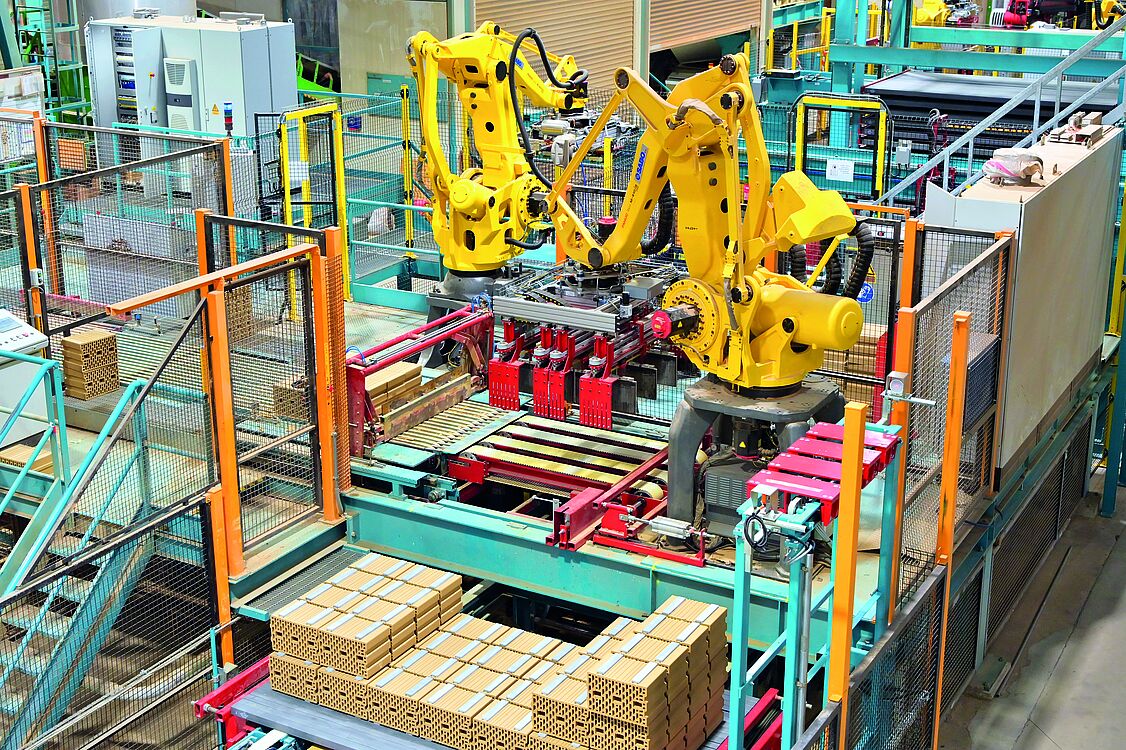
The industrial production of virtually CO₂-neutral bricks opens up new market segments and enables manufacturers to prepare early for future environmental regulations. Companies that focus on sustainable building materials benefit from rising demand and can secure their long-term competitiveness. In addition, the technology contributes to the training of skilled workers in the industry, as new manufacturing processes and digital control systems are integrated.
The scientific dimension of the project is evident in the close collaboration with research institutions and industry partners. As part of the GreenBricks project, two master’s theses and a doctoral thesis were successfully completed. The insights gained from these directly inform the further development of sustainable production methods and help adapt innovative solutions for other energy-intensive industries.

“With the commissioning of the electric furnace in Uttendorf, we have carried out genuine pioneering work in the industry,” says Johann Marchner, Country Managing Director of Wienerberger Austria.