Jump to content

CBRN sensor systems for crisis management

27.04.2026

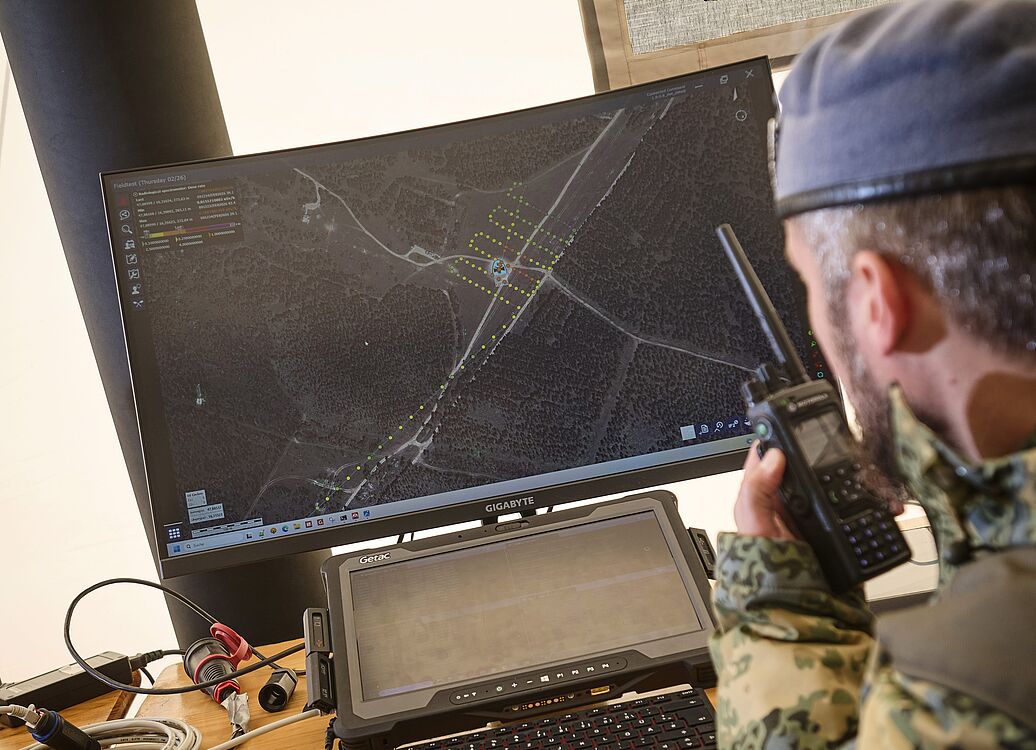
In crisis and disaster management, chemical, biological, radiological, nuclear and explosive (CBRN) incidents require particularly rapid and coordinated responses due to their high potential for danger. They affect both civilian and military sectors and endanger not only the general public but also emergency services, security forces and military units. To make matters worse, such events often have serious, far-reaching consequences and create environments that are dangerous or inaccessible to people. Rapid, precise situational awareness – for example, regarding hazardous substances, risks or CBRN situation maps – and reliable information exchange are therefore crucial.
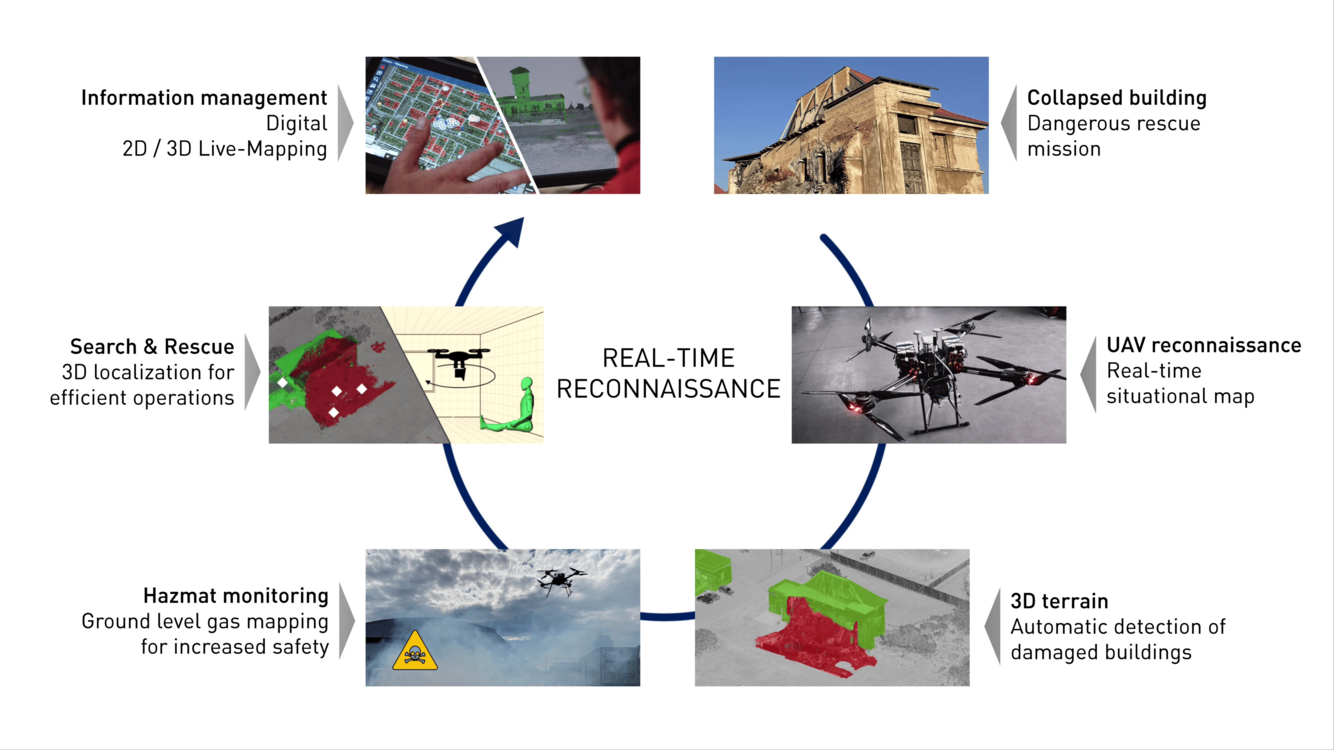
At present, however, there is no widely available semi-automatic system capable of generating a spatially high-resolution situational picture in real time without direct human intervention. Furthermore, civilian and military information systems are only limitedly interoperable – and even less so between different nations. This hinders a rapid, secure response and impedes cooperation between civil defence, police and the military across organisational and national boundaries.

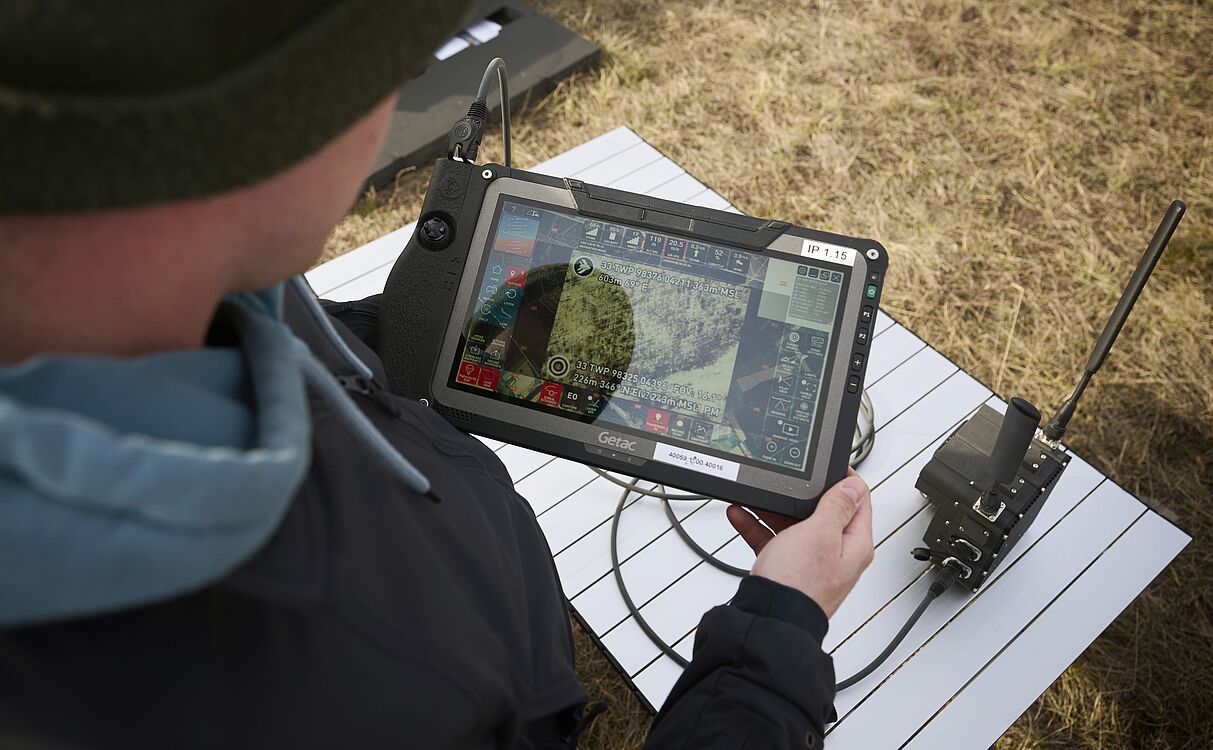
Modern digital technologies, such as those developed at AIT, offer significant support in this regard: the integration of mobile and stationary sensors improves situational assessment, whilst digital communication systems enable more efficient coordination of civil and military forces. Research and development work at AIT in this area is funded by EU programmes, primarily the European Defence Fund (EDF), as well as nationally through the KIRAS and FORTE security research programmes and through direct commissions from the Federal Ministry of Defence (BMLV).

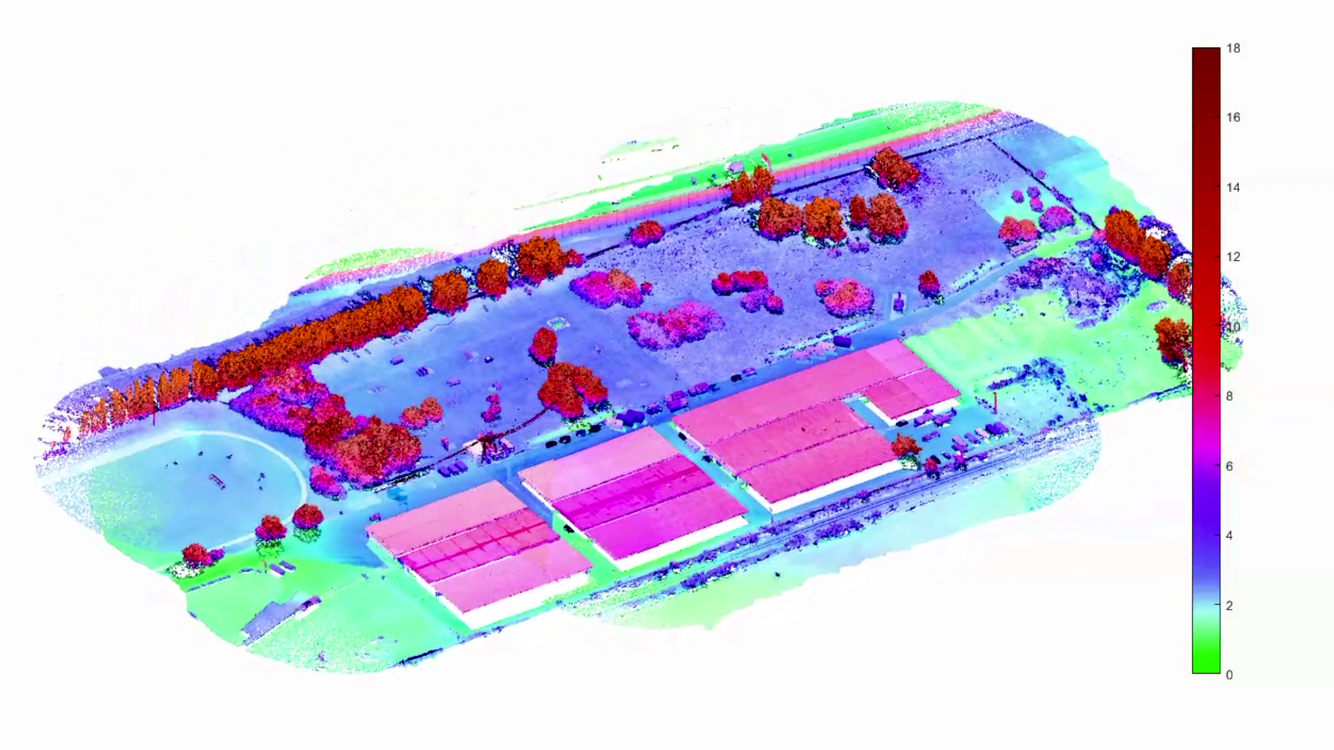
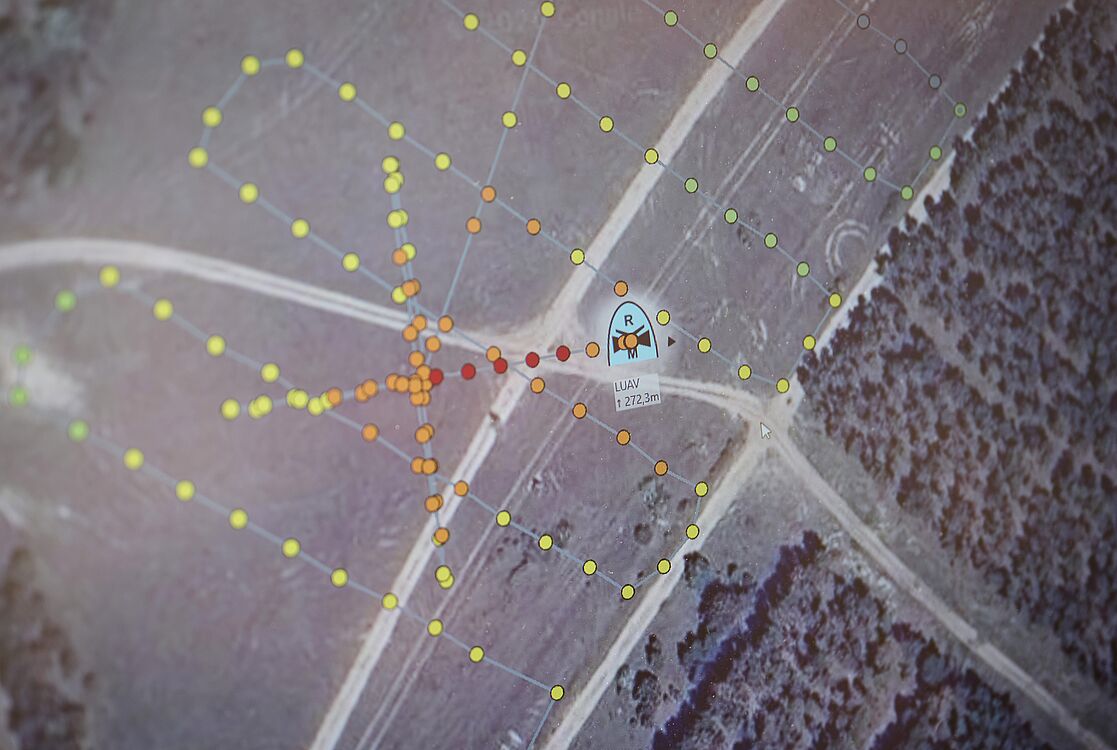
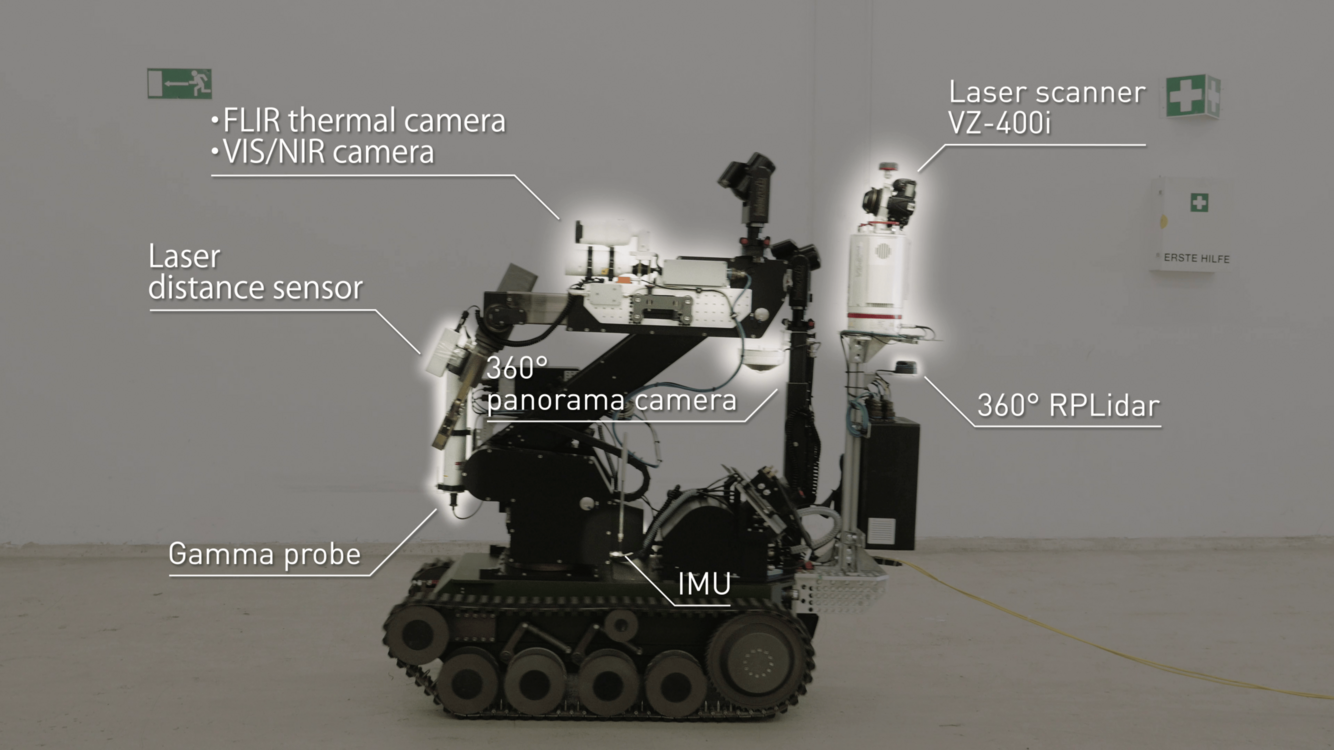
Data fusion, as well as 3D environmental and terrain classification, play a central role in CBRN situation assessment, decision support, interoperability and data exchange. Technologies such as the 3D analysis software Horus3D or radiological mapping using drones (RaptoRin) enable rapid and detailed assessment of hazardous situations. The spectrum ranges from dose rate maps and the analysis of hard-to-access areas to the deployment of robots in complex indoor environments and remote control based on a digital twin generated in real time.

Thanks to AIT’s specialised technological expertise and its close cooperation with the Federal Ministry of Defence (BMLV), Austria has successfully positioned itself as a leading technology nation in the EU in this field.

The current focus is on the components Detection, Identification and Monitoring (DIM) and Knowledge Management (KM). In future, Hazard Management (HM) and Physical Protection (PP) are also to be integrated more closely in order to further expand existing ‘system of systems’ approaches.