The steel industry has some of the highest quality standards, especially when it comes to the aviation, automotive, oil and gas sectors. Even the smallest crack or impurity in billets can result in serious subsequent material failure. Until now, inspecting these semifinished products has been a time-consuming, manual process requiring experienced specialists. However, increasing production speeds, a growing shortage of skilled workers, and the demand for consistently high-quality products call for more efficient and reliable solutions.
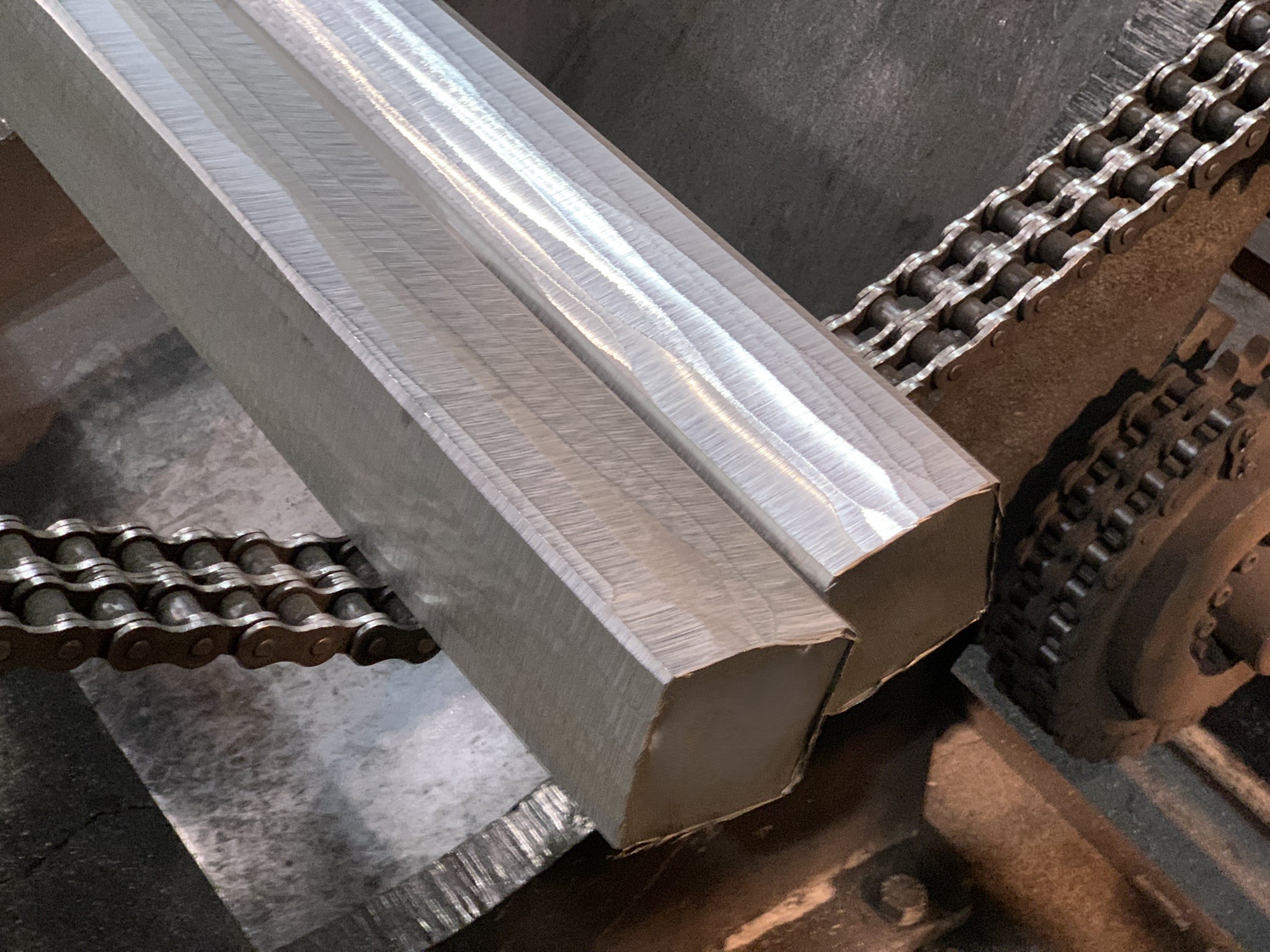
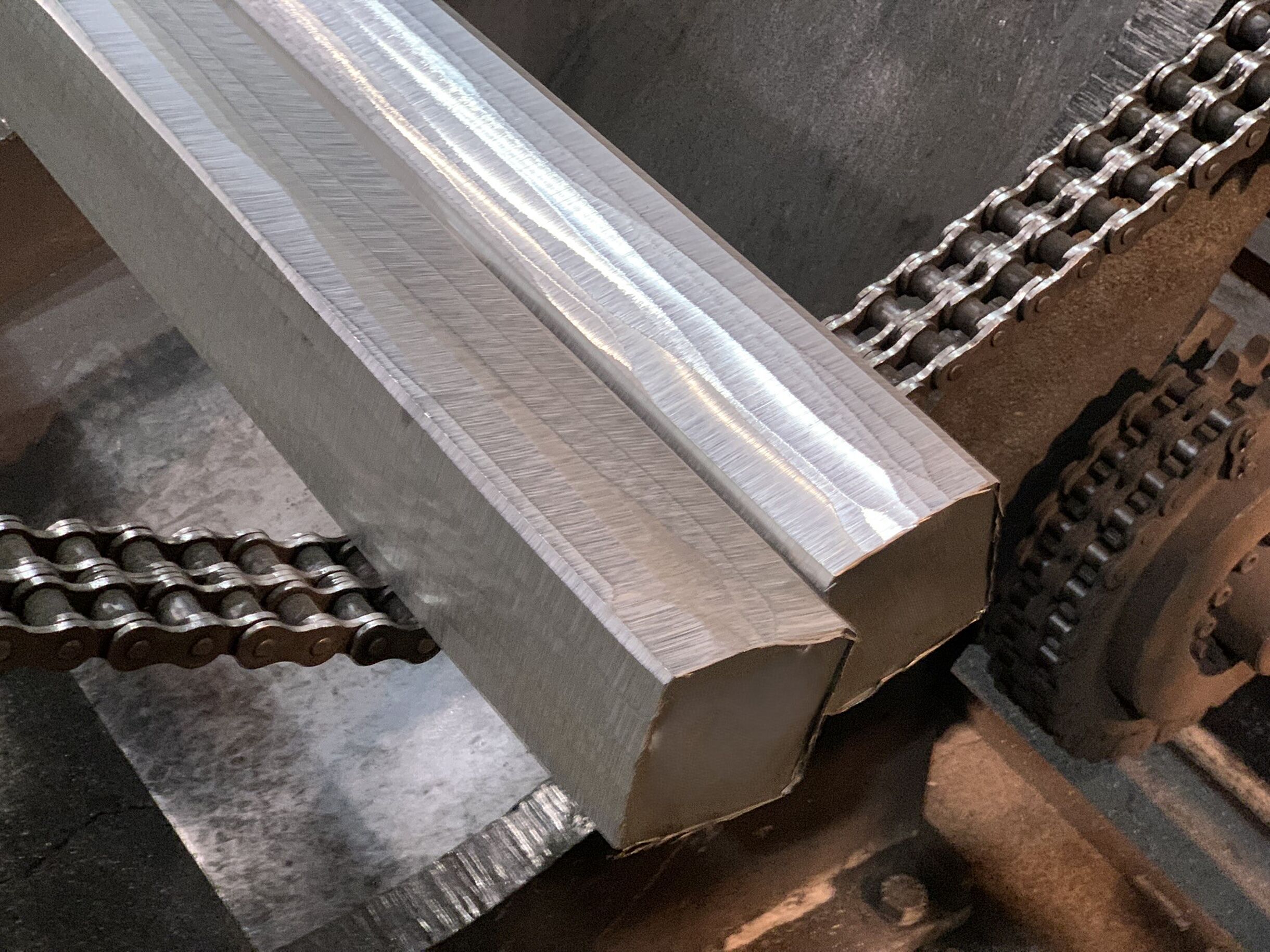
A significant step forward has been achieved with the introduction of an AI-supported system for automated crack detection. This system uses Inline Computational Imaging (ICI) technology combining multidirectional lighting, photometry and artificial intelligence, to analyse surface structures with unprecedented precision. The system can reliably detect and distinguishes between cracks, grinding marks and impurities, achieving a level of speed and accuracy that is unattainable through manual inspection, It takes just 30 seconds to inspect five-meter billets, significantly speeding up the entire process.
For the industry, this means a noticeable improvement in quality assurance. The more precise and consistent detection of material defects reduces rejects and production interruptions while minimising the risk of errors in later production of stages. Companies benefit from lower production costs, increased plant utilisation and a more reliable supply chain. In addition, automation significantly relieves the workload on specialized staff, allowing them to focus on the more demanding tasks.
The system also has the potential to be applied more broadly within the metalworking industry. The successful implementation of the system at voestalpine BÖHLER Edelstahl serves as a model for other areas of production where high precision and efficiency are required. The knowledge gained from this project will contribute to further developments of image processing solutions, helping to set new standards in industrial quality assurance.
This innovation not only makes production more efficient, it also strengthens the competitiveness of the industry. The automation of inspection processes is vital for the future viability of metalworking companies as it improves quality and profitability in equal measure.