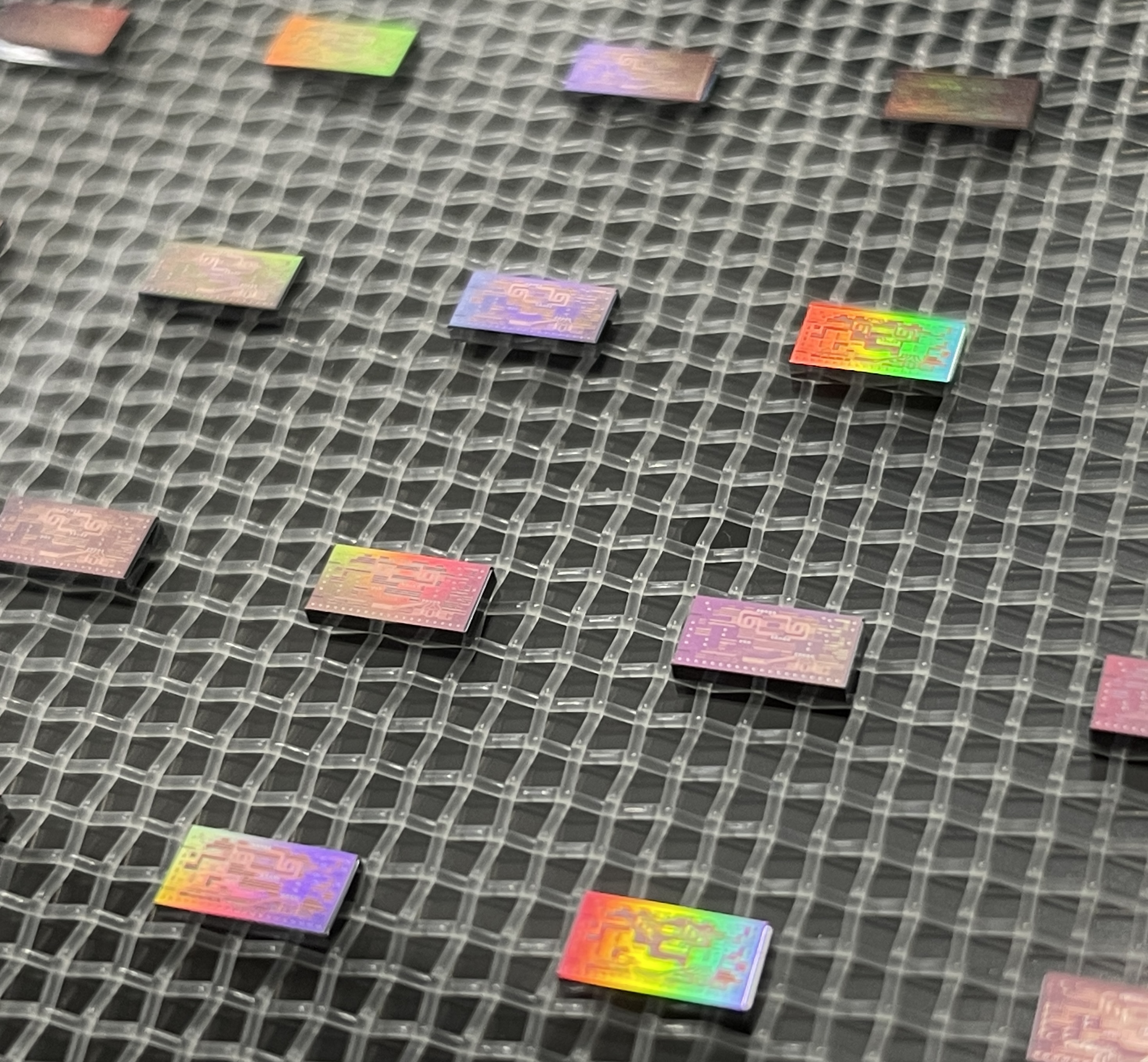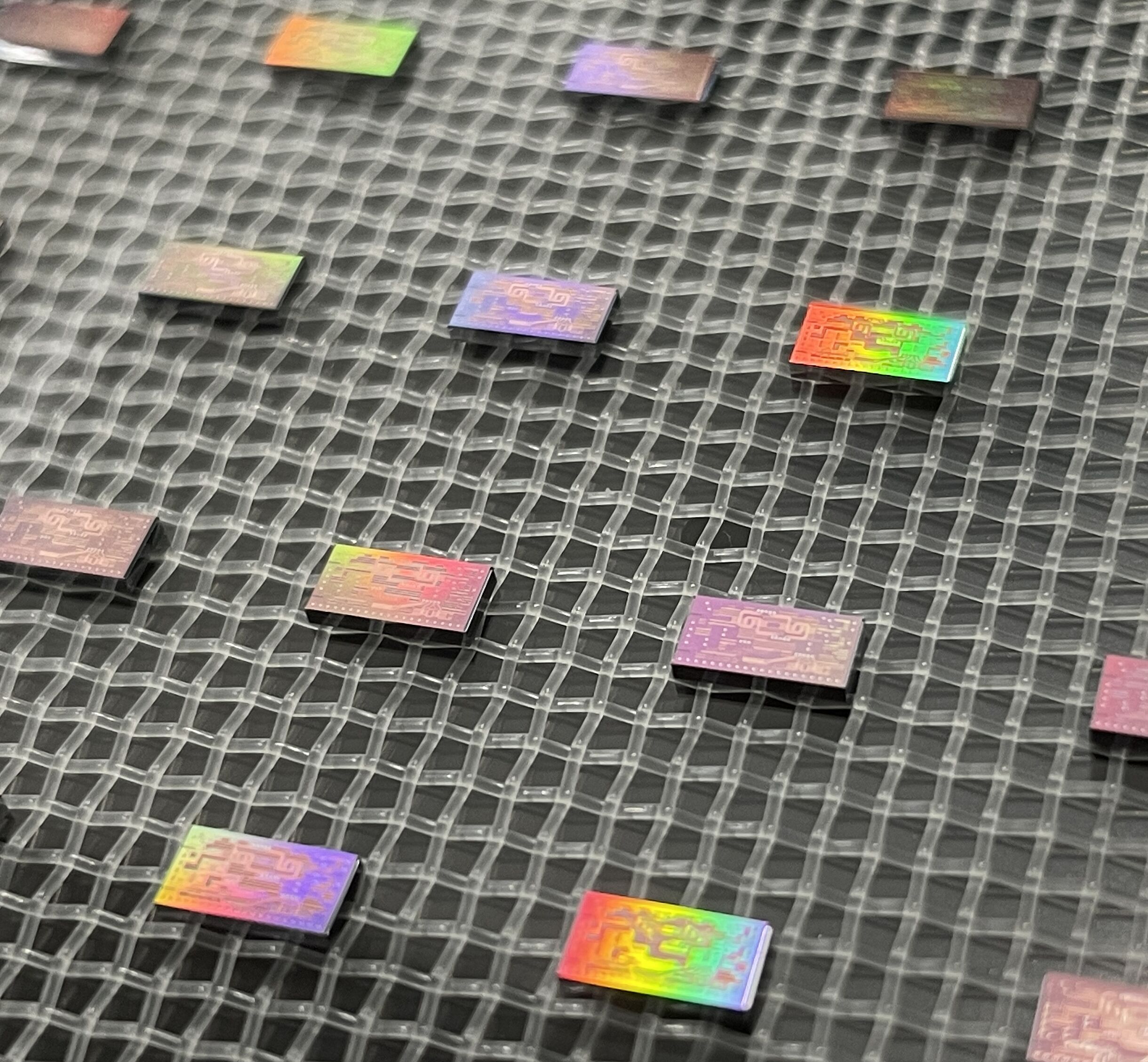
The growing technical demands on microelectronic systems require more powerful, more energy-efficient and more compact solutions. Conventional electronic components are increasingly reaching their physical and technical limits, particularly in terms of speed, energy efficiency and miniaturisation. The integration of photonics on semiconductor chips offers a promising opportunity to overcome these challenges and at the same time significantly increase the performance of the systems.
The development of such technologies requires comprehensive research, specialised expertise and considerable investment in order to remain competitive and secure technological leadership. For Austria in particular, as an up-and-coming semiconductor location, it is crucial to invest in this area of technology and further expand its expertise.
AIT's research work is advancing the integration of optical components into electronic circuits. The key role that AIT has assumed in the development of so-called ‘photonic integrated circuits’ (PICs) through its excellent research and innovative projects is reflected in a series of groundbreaking scientific publications, EU projects and technological developments. Since 2018, the research has been funded by an ERC Starting Grant, and in 2024 another ERC Proofof-Concept grant and an EIC Pathfinder project were successfully obtained. The research focuses on the development of monolithic, silicon-based quantum PICs, which play a key role in the future of quantum communication. They enable the seamless co-integration of optical quantum technologies with electronic processors and open up new possibilities in secure quantum communication and energy-efficient data processing. Of particular relevance here is the development of a silicon-based light source that enables the production of integrated circuits in existing wafer factories in the electronics industry. This creates the basis for cost-effective and scalable production of chip-based quantum optical systems.
The AIT holds around 20 patents in this high-tech field and actively contributes to strengthening Austria as a semiconductor centre. In particular, the active involvement in the European Chips Act and the establishment of the AT-C3 chips competence centre underline AIT‘s central role in this future-oriented field. Close co-operation with industry ensures that the technologies developed are not only used in research, but also in concrete applications and strengthen European companies in global competition in the long term. In future, the AIT will continue to expand its research in photonicon-the-chip technology in order to position Austria as a leading location for semiconductor innovations in the long term.