Jump to content

Accurate detection of anomalies in epilepsy data

16.04.2026

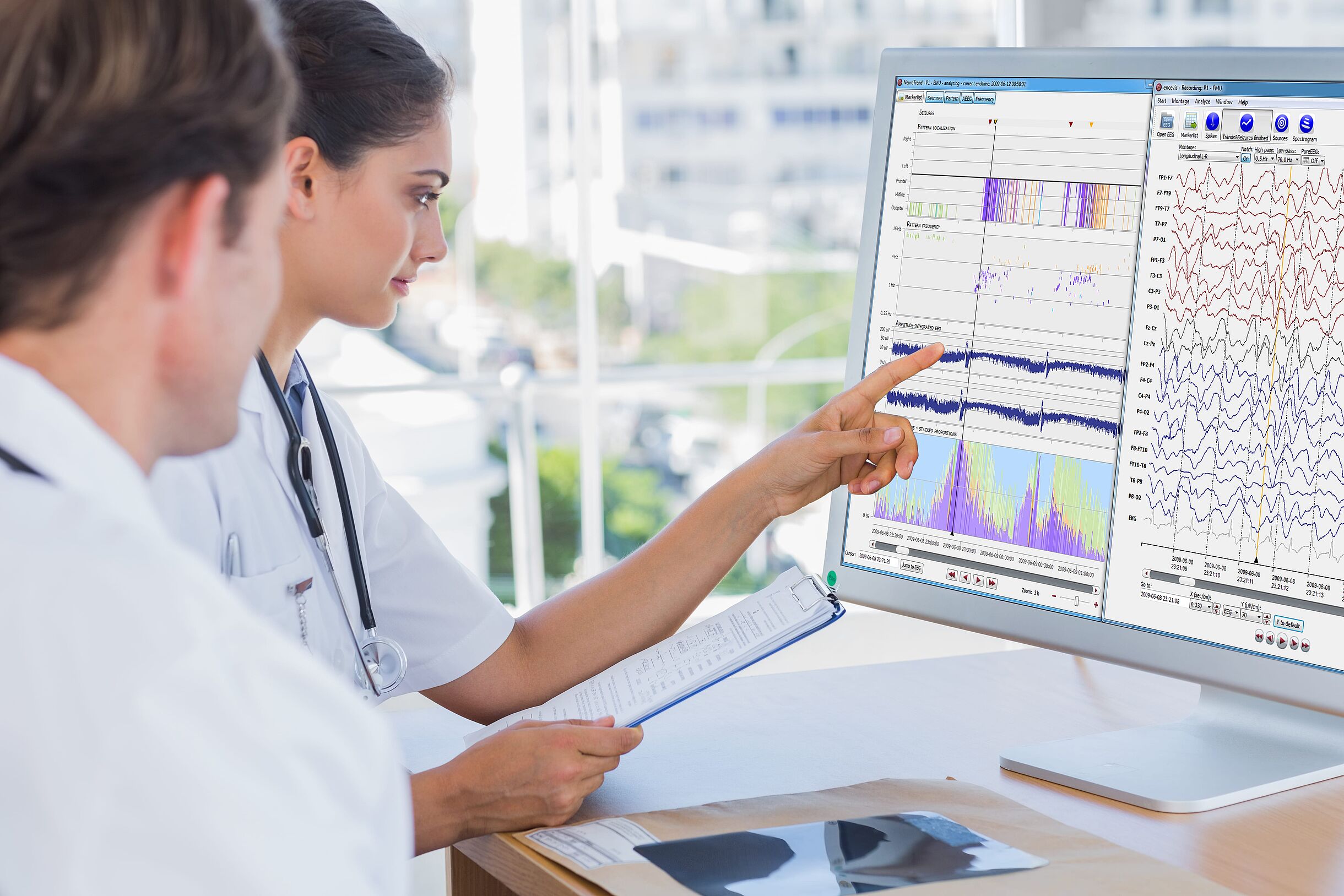
Medical examinations generate vast amounts of data, which makes evaluation and interpretation extremely challenging. For instance, measuring brain waves, particularly in long-term EEGs, puts considerable strain on humans and they can quickly become overwhelmed. Modern data analysis tools, such as the EEG analysis software 'encevis' developed at AIT, can help with this. Advanced algorithms deliver objective results and minimise human error. This reduces the burden on doctors and medical staff, enabling them to prioritise patient care. This leads to a more efficient use of resources and enables faster diagnosis and treatment.
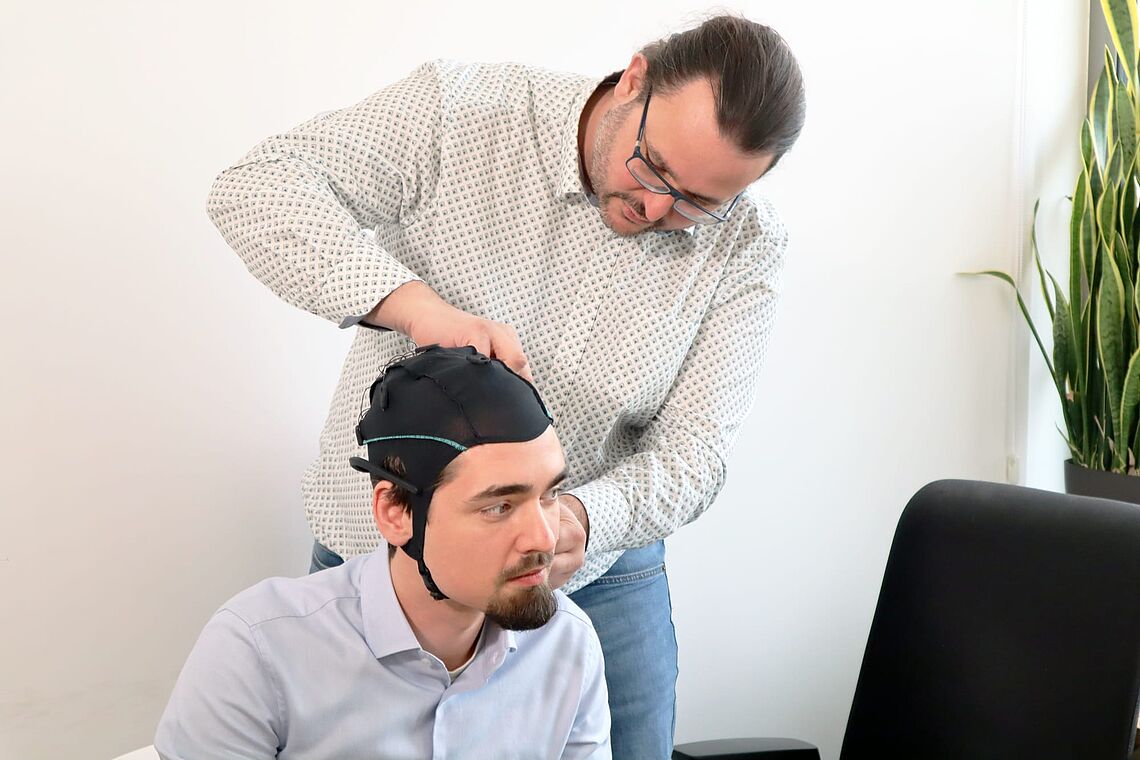

In the case of epilepsy, this brings significant medical benefits. The rapid processing of large EEG datasets ensures that critical decisions can be made without delay. The precise detection of, for example, non-convulsive seizures or other typical patterns (seizure burden, status epilepticus, etc.) minimises the risk of misdiagnosis or delayed treatment, thereby reducing the long-term costs of complications and follow-up treatment.

By combining encevis with other technologies, researchers at AIT, in collaboration with three leading European epilepsy centres, are currently also developing a new solution that shifts key aspects of diagnosis and treatment to the outpatient setting. This reduces the burden on both patients and clinics. The solution is based on encevis and AIT’s established telehealth platform, which is being expanded to include a digital seizure and dietary diary and offers a wide range of options for data collection and communication between patients and healthcare professionals. This combination forms the basis for modern, patient-centred and data-driven epilepsy care of the future.

In addition to the technological advantages, encevis also has a significant economic impact. By automating EEG analysis, the software considerably reduces the time and cost involved. This allows for a more efficient use of resources.

In the latest version of the software, released in 2025, an innovative AI-based algorithm for recognising sleep stages from the EEG has been integrated. Furthermore, a seizure detection feature has been developed which, for the first time, enables reliable detection of seizures in children and adolescents. As part of a research contract with UNEEG Medical, automatic seizure detection has also been fundamentally further developed for subcutaneous EEG signals (SubQ-EEG). Compliance with the highest regulatory standards, such as the MDR and FDA, as well as validation using extensive clinical data from leading medical centres in Europe and the USA, underline the software’s reliability and innovative strength.

The precise detection of irregularities in the EEG minimises the risk of misdiagnosis or delayed treatment, thereby reducing the long-term costs of complications and follow-up treatment.